How to Overwinter Japanese zelkova
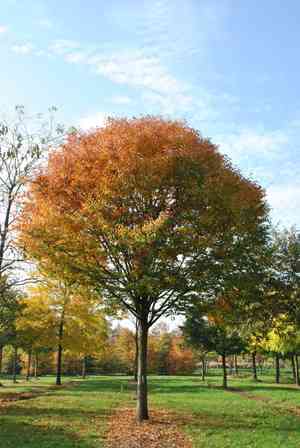
1
The Japanese zelkova tolerates cold well, making it a great option for chilly regions.
2
Applying mulch in winter aids in keeping soil moist and insulates the tree's root system.
3
Frequent winter inspections for insects and illnesses can avert lasting harm to the tree.
Why Overwintering Japanese zelkova is Important?
Why Overwintering Japanese zelkova is Important?
As colder weather approaches, ensuring your Japanese zelkova is adequately prepared becomes vital. While this species is known for its resilience, especially in cold climates, neglecting necessary precautions can lead to stress and potential harm. By protecting your Japanese zelkova through winter, you safeguard its health and guarantee its vigor when spring arrives.
Preparing Japanese zelkova for Winter
Inspecting the Tree and Soil Conditions
Begin by thoroughly examining your Japanese zelkova. Look for any indications of disease or pest infestations. Also, confirm the soil around the tree drains well to prevent root rot from excess moisture, which can be exacerbated by winter rains and melting snow.
Pruning and Cleaning Up
Trim off dead or damaged branches to prevent them from breaking under the weight of snow and ice. Clearing fallen leaves and debris from the base can deter pest infestations and disease. Always use clean, sharp tools to minimize harm and encourage healthy regrowth.
Mulching for Soil Protection
Apply a thick layer of mulch (approximately 5-8 cm or 2-3 inches) around the tree's base, ensuring it extends to the drip line. Mulching helps maintain soil temperature and moisture levels, offering protection against harsh winter conditions.
Protecting Japanese zelkova During Winter
Shielding from Harsh Winds
Strong, cold winds can dehydrate the tree and cause damage. Erect a windbreak using burlap or other breathable materials to protect your Japanese zelkova from the most severe gusts.
Ensuring Adequate Watering
Even in winter, your tree requires water, especially during dry spells. Make sure to water your Japanese zelkova during any dry periods to prevent dehydration. Aim to provide about 2.5 cm (1 inch) of water per week when the ground isn't frozen.
Preventing Snow and Ice Damage
Heavy snow and ice accumulation can lead to branch breakage. Gently brush off any heavy snow from branches, and consider wrapping the tree with burlap or horticultural fleece to add an extra layer of protection. Avoid using plastic coverings, as they can trap moisture and cause fungal issues.
Common Winter Issues with Japanese zelkova
Identifying Winter Pests and Diseases
Winter can bring pests like scale insects and fungal diseases. Regularly inspect your tree for any signs of these issues and treat them immediately with appropriate, eco-friendly pesticides or fungicides.
Addressing Soil Drainage Problems
Poor soil drainage can cause root rot, particularly in freezing conditions. Ensure that your planting site has good drainage. If necessary, amend the soil with organic matter to improve its structure and drainage capabilities.
Handling Frost Damage
Frost can damage young shoots and buds. Inspect your Japanese zelkova regularly for signs of frost damage, such as blackened leaves or stems. Damaged parts should be pruned back in the spring to promote healthy new growth.
Post-Winter Care for Japanese zelkova
Replenishing Mulch and Soil Nutrients
As winter ends, remove any old mulch and replace it with fresh mulch to help maintain soil quality. Additionally, consider adding a slow-release fertilizer to replenish nutrients that may have been lost.
Pruning Dead or Damaged Branches
Inspect your Japanese zelkova for any branches that did not survive the winter. Prune these areas to promote new, healthy growth and to prevent potential pest and disease problems.
Monitoring New Growth
As warmer weather returns, keep a close eye on your tree for signs of new growth. This is a good time to monitor for any lingering issues and address them promptly to ensure the overall health of your Japanese zelkova.



