How to Overwinter Calla lily
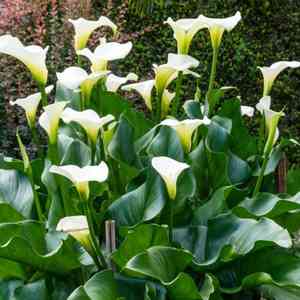
1
Calla lilies are sensitive to cold, requiring particular care in winter.
2
Optimal storage temperatures for Calla lily bulbs during dormancy range from 10-15°C (50-59°F).
3
Avoiding mold and pests is essential for maintaining bulb health while stored.
Why Overwinter Calla lily?
Why Overwinter Calla lily?
Calla lilies are beautiful, elegant plants that can enhance any garden or indoor space with their striking flowers. However, these plants are frost-tender, meaning they cannot survive freezing temperatures. Overwintering your calla lilies is essential if you want to enjoy their blooms year after year. By caring for their bulbs properly during the cold months, you ensure that they remain healthy, ready to regrow and blossom when the warmer temperatures return.
How to Prepare Calla lily for Overwintering?
Step 1: Cease Watering and Fertilizing
The initial step in getting your Calla lily ready for dormancy is to stop providing water and nutrients. This encourages the plant to naturally enter a resting phase. Roughly three weeks before the first anticipated frost, gradually reduce watering until it's completely stopped. Discontinue fertilizing concurrently to prevent new growth, which could be harmed by cold weather.
Step 2: Trim Foliage
Once the leaves begin to yellow and wither, it's time to cut them back. This typically occurs after you've stopped watering and fertilizing. Trim the foliage to approximately 5-10 cm (2-4 inches) above the soil. Removing the leaves helps the plant direct its energy towards storing nutrients in the bulb, rather than maintaining greenery.
Step 3: Dig Up Bulbs
After trimming the foliage, carefully excavate the bulbs. Use a garden fork or spade to gently lift the bulbs from the soil, taking care not to damage them. Shake off any excess dirt and examine the bulbs for any signs of decay or injury. Healthy bulbs should be firm and free from any soft spots or discoloration.
Ideal Storage Conditions for Calla lily Bulbs
Temperature and Humidity
Optimal storage for Calla lily bulbs involves keeping them in a cool, dry location. The best temperature range is between 10-15°C (50-59°F). Humidity should be kept low to prevent mold growth. A basement, garage, or a cool closet can serve as suitable storage spots, provided they meet these environmental requirements.
Containers for Storage
Select appropriate containers for storing your bulbs to ensure good air circulation and prevent moisture accumulation. Mesh bags, paper bags, or cardboard boxes lined with newspaper are all excellent choices. Avoid using plastic bags, as they can trap moisture and lead to mold and rot.
Preventing Mold and Pests
Preventing mold and pests is crucial to keep your Calla lily bulbs healthy during storage. Before storing, dust the bulbs with a fungicide to prevent mold growth. Check on your bulbs periodically to ensure they are dry and show no signs of rot or pest infestation. If you notice any issues, remove affected bulbs immediately to prevent the problem from spreading.
Common Overwintering Problems and Solutions
Bulbs Not Sprouting
If your bulbs don't sprout after replanting, they may have been stored incorrectly or damaged during the winter. Ensure that the bulbs are firm and healthy before planting. It's also important to avoid planting too early when the soil is still too cold. Patience is key, as it can sometimes take a few weeks for the first shoots to appear.
Dealing with Rot
Rot in Calla lily bulbs is often caused by excessive moisture or poor air circulation during storage. To prevent rot, ensure bulbs are thoroughly dried before storage. Use fungicide as a precautionary measure and store in breathable containers like mesh bags or paper bags. If rot does appear, remove the affected bulbs immediately to prevent it from spreading.



