How to Overwinter Common blue violet
1
Common blue violet is resilient to frost, indicating its ability to withstand cold temperatures more effectively than numerous other plants.
2
Adequate mulching and irrigation are crucial for Common blue violet's winter maintenance.
3
Vigilance for pests and modifying soil composition can aid Common blue violet in maintaining health during the winter season.
Understanding Common blue violet Winter Needs
Understanding Common blue violet Winter Needs
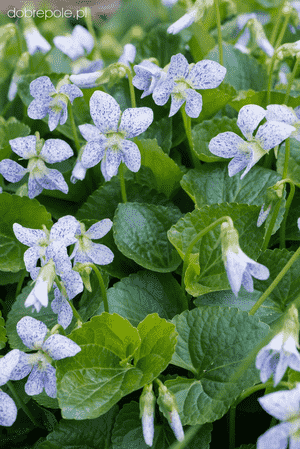
The Common blue violet (Viola sororia) is a charming perennial often found in meadows and woodland areas. Recognized for its heart-shaped leaves and striking blue-purple flowers, this hardy plant can add beauty to any garden. However, like any other garden plant, it requires special attention during winter. Understanding its specific winter needs is key to ensuring that your Common blue violet thrives when the cold season arrives. Being frost-hardy, this plant can withstand lower temperatures than many others, but ensuring it stays healthy requires knowing precisely what it needs, from soil conditions to watering practices.
Preparing Common blue violet for Winter
Soil and Mulching
To prepare Common blue violet for winter, start by focusing on the soil. Ensure soil is well-drained to prevent waterlogging, which can cause root rotâan essential step especially in areas prone to heavy winter rains or snow. Applying a layer of mulch, around 5-8 cm (2-3 inches), can also help regulate soil temperature and moisture. Organic mulch such as straw, leaf litter, or wood chips is a great choice. This mulch layer provides insulation, protecting the roots from extreme cold and soil heaving.
Watering Requirements
Watering Common blue violet properly is crucial before the winter fully sets in. Reduce watering as temperatures begin to drop, but ensure the soil remains slightly moistâavoid letting it dry out completely. During the last weeks of autumn, give your plants a thorough watering to help them store up moisture before the ground freezes. Aim for about 2.5 cm (1 inch) of water per week, adjusting according to rainfall and local climate conditions.
Pruning and Cutting Back
Common blue violet benefits from light pruning in late autumn. Removing dead or diseased leaves and stems can help prevent pests and diseases that proliferate in cold, damp conditions. Cut back the plant to approximately 8-10 cm (3-4 inches) above the ground. This not only tidies up your garden but also encourages healthy new growth in spring.
Do Common blue violet Plants Need Winter Protection?
Using Row Covers or Cloches
While Common blue violet is hardy, it can still benefit from some forms of extra protection, especially in areas with severe winters. Row covers or cloches can be a great way to shield the plants from intense frost and wind. These covers create a microclimate around the plant, trapping heat and providing shelter from extreme conditions. Ensure the covers are securely fastened and check periodically to prevent overheating or excess moisture build-up.
Indoor Options
For those who live in regions with particularly harsh winters, another option is to bring Common blue violet plants indoors. If they're potted, moving them inside can shield them from the worst of the winter cold. Place them in a cool, bright spot and continue to care for them with minimal watering. This method can greatly increase their survival rate and ensure a quicker recovery come spring.
Monitoring Common blue violet Health During Winter
Checking for Pests and Diseases
Winter can be a challenging time for Common blue violet, as pests and diseases may still be a concern. Regularly inspect your plants for signs of common issues such as fungal infections and insect infestations. Look out for discolored leaves, unusual spots, or tiny insects. Early detection and treatment with appropriate methodsâlike neem oil or organic pesticidesâcan prevent minor issues from becoming major problems.
Assessing Soil Conditions
During winter, soil conditions can fluctuate significantly. Regularly check the soil moisture to ensure it's neither too dry nor waterlogged. Adjusting mulch thickness and using soil conditioners can help maintain an optimal environment for the Common blue violet. If the soil seems compacted, gently loosen it around the base of the plants to improve aeration and water absorption.
Adjusting Care as Needed
Winter care isn't a one-size-fits-all solution. Be prepared to adjust your care routine based on your Common blue violet's specific needs. For instance, if an unexpected warm spell hits, you might need to water more frequently. On the other hand, if an unusually cold snap occurs, consider adding an extra layer of mulch or additional coverings. Keeping a flexible approach ensures your plants are protected no matter what winter throws their way.
Reviving Common blue violet After Winter
Gradual Exposure to Outdoor Conditions
When winter ends and temperatures start to rise, it's essential to gradually reintroduce your Common blue violet to outdoor conditions. Start by removing any coverings during the day and let the plants acclimate to the sunlight and fresh air. Gradually increase their exposure until they are ready to stay uncovered day and night. This gradual process reduces shock and helps the plants adjust smoothly to the changing conditions.
Spring Pruning and Feeding
Spring is the perfect time for a fresh start. Prune any dead or damaged foliage to encourage new growth. Fertilize your Common blue violet with a balanced, slow-release fertilizer to provide the nutrients it needs for a vigorous growing season. Ensure that you water sufficiently to support the new growth and watch your plant flourish as the weather warms.



