How to Overwinter Downy Yellow Violet
1
The Downy Yellow Violet is a robust perennial capable of enduring low temperatures.
2
Applying mulch to Downy Yellow Violet plants aids in preserving soil moisture and shielding them from severe winter weather.
3
Strategic trimming prior to winter promotes more vigorous development in the spring.
What Makes the Downy Yellow Violet Hardy?
What Makes the Downy Yellow Violet Hardy?
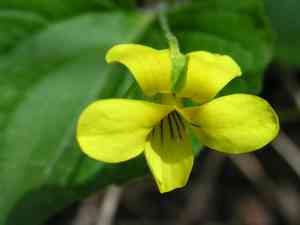
The Viola pubescens, a charming perennial, is renowned for its resilience and vibrant yellow blooms in spring. Indigenous to North America, this plant has successfully adapted to diverse environmental conditions, making it quite robust. It flourishes in USDA hardiness zones 3 through 8, meaning it can endure cold temperatures down to -40°C (-40°F). This sturdy nature makes the Downy Yellow Violet an excellent option for gardeners seeking a low-maintenance yet visually appealing plant.
How to Prepare Downy Yellow Violet for Winter
When to Start Winter Preparations
Initiate winter preparations for your Downy Yellow Violet in late autumn, typically around October or November. This period allows the plant ample time to gradually adjust to colder temperatures. Monitor weather forecasts and begin preparations before the first severe frost (temperatures below 0°C or 32°F).
Pruning and Clean-Up
Pruning your Downy Yellow Violet is essential for its winter health. Start by removing any dead or damaged leaves and stems. This tidying not only prevents diseases but also helps the plant conserve energy. Use clean, sharp pruning shears to cut back the foliage to about 5-7.5 cm (2-3 inches) above the ground. This will safeguard the plant's crown and promote healthier growth in spring.
Mulching Tips
Mulching is crucial for protecting your Downy Yellow Violet in winter. Apply a 5-7.5 cm (2-3 inches) thick layer of organic mulch, such as straw, wood chips, or shredded leaves, around the plant's base. This mulch helps retain soil moisture and insulates the roots against freezing temperatures. Ensure a small gap is left around the plant's stem to prevent rot.
Common Winter Challenges for Downy Yellow Violet
Frost Damage
Even though the Downy Yellow Violet is frost-hardy, sudden temperature drops can occasionally cause stress. Protecting the plant with mulch and pruning dead growth significantly minimizes frost damage. Additionally, you can use frost cloths or old bedsheets to cover the plants during unexpected frost events, which provides extra insulation.
Pests and Diseases
Downy Yellow Violet can encounter pest issues, such as slugs and aphids, and diseases like powdery mildew during the winter. To alleviate these problems, keep the area around the plant tidy by removing leaf debris and weeds. If pests become an issue, consider using natural deterrents like neem oil or diatomaceous earth. Regular inspections and hygiene practices greatly aid in preventing these challenges.
Reviving Downy Yellow Violet After Winter
Inspecting for Damage
As temperatures begin to rise in spring, start by examining your Downy Yellow Violet for any winter damage. Look for broken stems, signs of frostbite, or any pest infestations. Address these issues promptly to give your plant the best start to the growing season.
Spring Pruning
Spring pruning is vital to encourage new growth. Trim any damaged or dead foliage that may have persisted through the winter. This helps the plant focus its energy on producing fresh, healthy stems and leaves. Be gentle during this process to avoid stressing the plant further.
Fertilization Guidelines
Fertilizing your Downy Yellow Violet after winter is crucial for robust growth. Apply a balanced, slow-release fertilizer in early spring as new growth begins to emerge. Follow the instructions on the product for the correct dosage. This will provide the necessary nutrients for the plant to thrive throughout the season.



