How to Overwinter Greater periwinkle
1
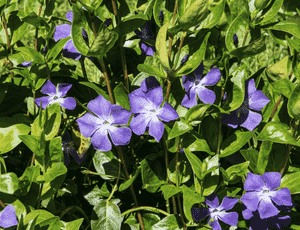
Vinca major, recognized for its vivid blue-purple blooms, is a somewhat tender plant.
2
Protecting plants over winter reduces strain and promotes vigorous development in the spring.
3
Proper soil and mulch preparation can greatly improve Vinca major's ability to withstand winter conditions.
Understanding Winter Protection for Greater periwinkle
Understanding Winter Protection for Greater periwinkle
Winter protection involves safeguarding your plants, such as Greater periwinkle, from severe winter conditions. This practice is crucial for semi-hardy plants that cannot fully endure cold temperatures. Knowing how to care for your Greater periwinkle during colder months ensures its vitality when spring arrives. Winter care includes modifying watering habits, guarding against frost, and considering indoor placement if necessary. Let's explore the specifics to effectively prepare your Greater periwinkle.
What Are the Best Practices for Winterizing Greater periwinkle?
Soil and Mulch
A fundamental step in winterizing Greater periwinkle is improving soil quality and applying mulch. Ensure the soil drains well to prevent waterlogging, which can lead to root rot. Adding a 5-8 cm (2-3 inches) layer of mulch, such as shredded leaves or straw, can insulate the soil and roots from freezing temperatures, maintaining their health through winter.
Watering Needs
Adjusting irrigation routines is essential. Before the initial frost, water your Greater periwinkle thoroughly to keep its roots hydrated. However, significantly reduce watering during winter to prevent the soil from becoming excessively wet. Cold, damp soil can harm the plant's health, causing root rot and other issues. Aim to keep the soil slightly moist but never saturated.
Protecting from Frost
Frost can harm the leaves and stems of Greater periwinkle. To safeguard the plant, you can cover it with frost blankets or burlap on nights when frost is expected. These coverings provide additional insulation and shield the plant from harsh winds. Avoid using plastic covers directly on plants, as they can trap moisture and foster an environment for mold growth.
Indoor Care Options
For those in extremely cold climates, moving Greater periwinkle indoors can be a practical solution. If planted in containers, relocate them to a sheltered area like a garage or basement where temperatures remain above freezing, ideally around 10°C (50°F). Ensure the location has some light exposure and water sparingly to keep the soil slightly damp.
Common Issues and Solutions When Winterizing Greater periwinkle
Identifying Frost Damage
Frost damage can be recognized by blackened, wilted, or brittle leaves and stems. If you observe such signs, prune off the affected parts to stop the damage from spreading. Use clean and sterilized tools to avoid transmitting diseases to healthy sections of the plant.
Preventing Mold and Mildew
Mold and mildew are frequent issues during humid and cool conditions. Ensure good air circulation around your plant and avoid overly wet soil. If mildew appears, a solution of water and baking soda (1 tablespoon baking soda per 4 liters or 1 gallon of water) can be sprayed on the affected areas to help manage its spread.
Managing Pests
Greater periwinkle can attract pests like aphids, spider mites, and mealybugs. Regularly inspect your plant and use insecticidal soap if you detect these pests. For a more natural remedy, neem oil can also be effective. Ensure you rinse the plant thoroughly after applying treatments to prevent any residue build-up.



