How to Overwinter Rusty blackhaw
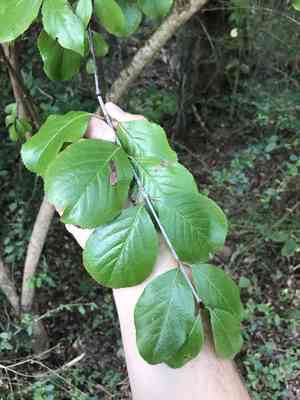
1
Rusty blackhaw exhibits excellent cold tolerance, thriving in USDA zones 5-9.
2
Applying mulch is essential for Rusty blackhaw to safeguard its root system in colder seasons.
3
Periodically check for winter insects that might harm your Rusty blackhaw.
Grasping Rusty blackhaw's Frost Resistance
Grasping Rusty blackhaw's Frost Resistance
Rusty blackhaw (Viburnum rufidulum) is a robust deciduous shrub or small tree that offers year-round visual appeal. It is renowned for its striking autumn foliage and deep blue-black berries. A key characteristic of Rusty blackhaw is its exceptional cold hardiness, making it suitable for cultivation in USDA zones 5 through 9. This means it can endure temperatures as low as -29°C (-20°F). Despite its resilience, proper winter care is crucial to ensure its continued vigor. Let's explore how to ready your Rusty blackhaw for winter and maintain its health during the colder months.
Readying Rusty blackhaw for Winter
When to Begin Preparations
The optimal period to start preparing your Rusty blackhaw for winter is during late summer to early fall (August to October). This allows the plant ample time to adapt to the impending cooler temperatures. Start by gradually reducing watering frequency to prevent new growth that could be harmed by early frosts.
Trimming and Tidying Up
Pruning is a vital step in winter preparation. Remove any dead, damaged, or diseased branches to maintain the plant's vitality. Light trimming will also help shape the plant, enabling it to better withstand winter winds and snow. Additionally, clear away fallen leaves and debris from around the plantâs base to prevent fungal growth and pest problems.
Mulching for Added Protection
Mulching is a crucial step for safeguarding your Rusty blackhaw during winter. Apply a 5-10 cm (2-4 inch) thick layer of organic mulch, such as straw, wood chips, or shredded leaves, around the plant's base. This helps insulate the roots and maintain a consistent soil temperature. Avoid piling the mulch directly against the trunk to prevent rot.
Watering and Nourishing Rusty blackhaw in Winter
Adjusting Irrigation Frequency
During the winter, Rusty blackhaw requires less water due to its dormant state. Water the plant sparingly, ensuring the soil remains slightly moist but not saturated. Overwatering can lead to root rot, while insufficient watering may stress the plant, making it vulnerable to winter damage.
Nutrient Requirements During Dormancy
Fertilizing in late fall can help your Rusty blackhaw store essential nutrients for the winter months. Choose a slow-release, balanced fertilizer to provide a steady supply of nutrients. Avoid fertilizing during winter, as this can stimulate new growth that is susceptible to frost damage.
Monitoring Rusty blackhaw for Winter Pests and Diseases
Common Winter Pests
Winter can introduce various pests that may target your Rusty blackhaw. Be vigilant for common culprits such as spider mites, aphids, and scale insects. These pests can weaken the plant and make it more susceptible to disease and environmental stress.
Preventative Measures
To shield your Rusty blackhaw from winter pests, regularly inspect the plant for signs of infestation. Use horticultural oil or insecticidal soap as a preventative measure. Additionally, ensure proper sanitation by removing any fallen leaves or debris that can harbor pests and diseases.
How to Determine if Rusty blackhaw is Winter Healthy?
Checking for Signs of Stress
During winter, it's important to periodically check your Rusty blackhaw for signs of stress, such as wilting, discoloration, or unusual leaf drop. Address any issues promptly by adjusting watering or inspecting for pests.
Spring Awakening Care Tips
As winter transitions into spring, gradually increase watering and remove any winter mulch to allow the soil to warm up. Prune dead or damaged branches and consider applying a balanced fertilizer to support new growth. These steps will ensure your Rusty blackhaw recovers robustly after the winter dormancy.



