How to Overwinter Black haw
1
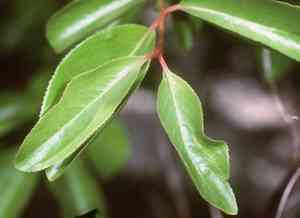
Black haw is a robust shrub capable of enduring low temperatures, making it adaptable to diverse environments.
2
Trimming Black haw prior to winter assists in preserving its form and vitality.
3
Employing an effective mulching method can shield Black haw from severe winter conditions.
The Significance of Overwintering Black haw
The Significance of Overwintering Black haw
As a robust shrub, Black haw can withstand low temperatures, but proper winter care guarantees its continued health and vigor in subsequent seasons. Overwintering Black haw helps shield it from harsh weather, pests, and diseases that could impede its growth. By taking preventative steps, you can ensure a beautiful and abundant garden when spring arrives.
Preparing Black haw for Winter
Pruning Advice
Trimming Black haw before winter's arrival is crucial. Late autumn is an ideal time for a cut, as the plant will be entering its inactive period. Remove any dead, diseased, or weak branches to reduce the chance of breakage during heavy snow. Additionally, shaping the plant helps maintain its form and encourages healthy growth in spring.
Watering Requirements
As winter approaches, ensure your Black haw is adequately watered. Deep watering in late fall allows the roots to absorb sufficient moisture before the ground freezes. However, avoid excessive watering as too much moisture can lead to root rot. Aim for a moderate watering schedule, providing approximately 25-30 liters (6-8 gallons) of water every couple of weeks.
Mulching Methods
Mulching is a vital step in preparing Black haw for winter. Apply a 5-8 cm (2-3 inches) thick layer of organic mulch around the plant's base. Materials like straw, wood chips, or shredded leaves work well. Mulching helps insulate the roots, retain soil moisture, and prevent temperature fluctuations. Just be sure to keep the mulch away from the trunk to avoid rot.
Protecting Black haw from Extreme Weather
Utilizing Coverings and Barriers
In areas where winter temperatures can drop significantly, additional protection for your Black haw might be necessary. Use burlap or frost cloth to cover the shrub, creating a shield against strong winds and frost. Secure the coverings with stakes or ties, ensuring they are not too tight to allow some air circulation. This method is especially useful during sudden cold spells.
Moving Potted Plants Indoors
If your Black haw is in a pot, consider moving it indoors or to a sheltered spot like a garage or basement. Potted plants are more vulnerable to cold damage since their roots are above ground and less insulated. Place the pot in a bright, cool location and reduce watering to prevent the soil from staying too wet.
Monitoring Black haw During Winter
Checking for Signs of Frost Damage
Regularly inspect your Black haw throughout the winter months for any indications of frost damage. Look for discolored, wilted, or brittle leaves and branches. If damage is detected early, prune the affected areas to prevent further stress on the plant. Consistent monitoring helps ensure timely intervention and maintains the shrub's health.
Assessing Soil Moisture Levels
Even in winter, it's crucial to keep an eye on soil moisture levels. While the shrub needs less water during its dormant phase, completely dry soil can be detrimental. Check the soil every few weeks, and if it feels particularly dry, water the plant lightly. Maintaining appropriate moisture levels supports the plant's overall health and readiness for spring.
Post-Winter Care for Black haw
Gradual Re-Introduction to Outdoor Conditions
As winter recedes and temperatures begin to climb, gradually reintroduce your Black haw to outdoor conditions. Remove any coverings or shields once the threat of late frost has passed. For potted plants, slowly acclimate them to outdoor temperatures by placing them outside during the day and bringing them back inside at night for a week or two.
Spring Pruning and Fertilization
Spring is a critical time for pruning and fertilizing Black haw. Trim back any winter-damaged branches and shape the plant as needed to encourage new growth. Use a balanced fertilizer to provide essential nutrients, supporting the plant's health and vigor. Regular maintenance ensures a vibrant, flourishing Black haw for the coming season.



