How to Overwinter Japanese snowball
1
Japanese snowball is resilient and withstands cold winters effectively.
2
Applying mulch aids in preserving soil moisture and offers additional protection from low temperatures.
3
Protective covers can assist in safeguarding Japanese snowball from abrupt temperature decreases.
Understanding Japanese snowball Frost Hardiness
Understanding Japanese snowball Frost Hardiness
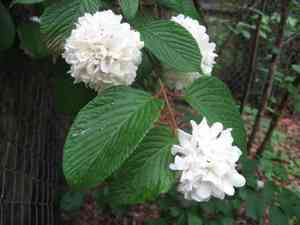
The Japanese snowball, scientifically known as Viburnum plicatum, is a deciduous shrub prized for its beautiful white, snowball-like blossoms. It possesses frost tolerance, meaning it can endure typical winter cold. While inherently hardy, it still benefits from proper overwintering care to ensure vigorous growth and abundant spring blooms. Grasping its cold tolerance is key to its survival and flourishing post-winter.
Preparing Japanese snowball for Winter
When and How to Prune
Pruning your Japanese snowball is vital before winter's arrival. The optimal time for pruning is late autumn, after flowering concludes but prior to the first frost. Remove any dead or diseased branches to prevent pathogen spread. Also, shape the shrub by trimming overgrown sections, ensuring no more than one-third of the plant is removed to avoid stress. Proper pruning encourages robust growth and flowering in the subsequent season.
Mulching the Base
Applying mulch around the base of your Japanese snowball is an excellent method to shield roots from frost and help retain soil moisture. Utilize organic mulches such as wood chips, straw, or shredded leaves. Apply a layer approximately 5-7 cm (2-3 inches) thick, covering the root zone but avoiding piling mulch against the trunk, which can lead to rot. Mulching creates a protective barrier, insulating roots from temperature fluctuations.
Watering Guidelines
Correctly watering your Japanese snowball before winter is critical. Ensure it receives ample moisture heading into the cold months, as dry soil can worsen cold damage. During late autumn, provide the shrub with a deep watering to ensure the soil is moist up to 30-40 cm (12-16 inches) deep. Once the ground freezes, reduce irrigation. Overwatering in winter can cause root rot, so achieving the right balance is essential.
Protecting Japanese snowball During Extreme Cold
Using Frost Covers
Frost covers can be a lifesaver for your Japanese snowball during unexpected cold snaps. Use breathable material like burlap or frost cloth to envelop the entire shrub. This traps a small amount of warmth, helping to prevent frost from directly settling on leaves and branches. Secure the cover with stakes or ties to prevent it from blowing away. Ensure the cover reaches the ground, enclosing the shrub to protect it from ground frost.
Wrapping the Trunk
Wrapping the trunk of your Japanese snowball can offer additional frost protection. Use tree wrap or burlap to encase the trunk from the base up to the initial set of branches. This will help prevent frost cracks and damage from freezing and thawing cycles. Secure the wrap with soft ties, ensuring it's snug but not overly tight to allow for expansion as the tree grows.
Wind Protection Tips
Wind can pose a significant threat to your Japanese snowball's health during winter. Strong, cold winds can desiccate and harm branches. To safeguard your shrub, consider using windbreaks like fences or planting evergreen shrubs nearby to act as a barrier. If your Japanese snowball is in a particularly exposed area, constructing a temporary windshield with stakes and burlap can lessen wind impact.
Monitoring Japanese snowball Health Throughout Winter
Signs of Frost Damage
Throughout winter, it's vital to observe your Japanese snowball for indications of frost damage. Look for discolored or blackened leaves and branches, which may signal frostbite. If you notice any damaged parts, prune them away once the harshest winter period has passed. This prevents further damage spread and encourages new, healthy growth when spring arrives.
Regular Inspections and Maintenance
Conduct routine inspections of your Japanese snowball during winter. Check for any signs of stress or damage weekly, paying close attention to the base, branches, and leaves. Maintain mulch levels and ensure windbreaks or frost covers remain in place and secure. Consistent checks can help you detect and address issues early, before they become severe.
Adjusting Care Based on Weather Conditions
Winter weather can be unpredictable, so adapt your care routine based on current conditions. For instance, in milder winters, you might need to water more frequently if the soil dries out. In harsher conditions, ensure your frost covers and protective measures are always in place. Be flexible and responsive to your Japanese snowball's needs to keep it healthy throughout the season.



