How to Overwinter Sweet viburnum
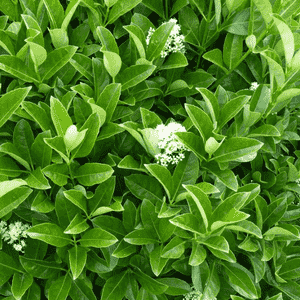
1
Sweet viburnum is resilient to cold and tolerates freezing temperatures when adequately maintained.
2
Applying mulch aids in preserving soil dampness and safeguarding plant roots over winter.
3
The colder months are perfect for inspecting and addressing any pests or illnesses.
What Are the Winter Needs of Sweet viburnum?
What Are the Winter Needs of Sweet viburnum?
During the winter season, comprehending the specific requirements of your Sweet viburnum is essential. This resilient evergreen shrub is well-adapted to cold weather but still requires some care to flourish. Ensuring your Sweet viburnum is ready for chilly periods involves particular actions that address its needs, such as optimizing ground conditions, pruning at opportune times, and safeguarding it from severe frosts.
Preparing Sweet viburnum for Winter
Cleaning and Pruning
As temperatures begin to fall, dedicate some time to clean and trim your Sweet viburnum. Removing dead foliage and branches not only maintains the plant's neat appearance but also lowers the risk of illness. Utilize clean, sharp tools for precise cuts, aiming to complete this task well before the initial frost. This process aids the plant in conserving energy and directing it towards robust development.
Watering Appropriately
Despite its hardiness, Sweet viburnum still requires sufficient hydration to endure frost. However, be cautious not to overwater, as saturated soil can freeze and harm the plant's roots. Water your Sweet viburnum deeply but infrequently, ensuring the soil drains effectively. This will keep the roots hydrated and healthy without the danger of waterlogging.
How to Protect Sweet viburnum from Frost
Mulching Techniques
Mulching offers an effective method to shield Sweet viburnum from the harsh impacts of frost. Apply a thick layer, approximately 5-10 cm (2-4 inches), of organic mulch around the plant's base. Mulch functions as an insulating layer, stabilizing soil temperature and retaining moisture. Ensure the mulch is kept away from the main stem to prevent decay.
Using Frost Covers
Frost covers can offer an extra layer of defense during sudden cold snaps. Employ breathable fabric covers that permit moisture and air exchange while protecting the plant from frost. Drape the cover over the Sweet viburnum, securing it at the base with stones or stakes. This simple measure can prevent frost damage to the leaves and branches.
Monitoring Sweet viburnum During Winter
Checking for Pests and Diseases
Even in winter, pests and diseases can pose a threat to your Sweet viburnum. Regularly inspect the leaves and bark for any indications of pests like aphids or scale. Also, watch for fungal diseases that can emerge in cold, damp conditions. Address any issues promptly with suitable measures to prevent spread and ensure your plant remains healthy.
Ensuring Soil Moisture Levels
Maintaining adequate soil moisture is crucial, even in winter. Check the soil's moisture levels regularly; it should be damp but not saturated. If the soil feels dry, it's time to water, but do so sparingly, ensuring not to waterlog. Proper moisture levels help the plant stay hydrated and prepared for the upcoming growing season.



