How to Overwinter Spiked speedwell
1
Spiked speedwell tolerates cold temperatures well, making it a robust option for cooler regions.
2
Adequate mulching protects your Spiked speedwell from severe winter weather.
3
Consistent observation in winter helps avoid lasting harm to your Spiked speedwell.
Understanding Spiked speedwell Frost Hardiness
Understanding Spiked speedwell Frost Hardiness
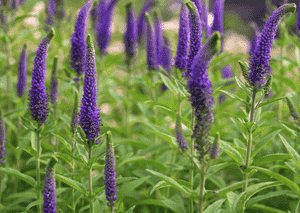
Before delving into specific care, it's crucial to grasp Spiked speedwell's inherent toughness. This perennial is recognized for its appealing blue, pink, or white flower spikes. It tolerates frost, enduring low temperatures common in many areas. Nevertheless, proper measures ensure its vitality well past the colder months.
Preparing Spiked speedwell for Winter
When to Start Preparing
Initiate your winter preparations in mid to late autumn, as temperatures begin to fall but prior to the first frost. This timing allows the plant to adjust gradually and ensures pre-winter tasks have a significant effect.
Pruning and Cleaning
Pruning is vital for maintaining plant health during winter. Trim back dead or damaged stems and clear any debris from around the plant's base. This helps decrease the risk of disease and pests, which can be more problematic in colder periods.
Soil Amendments
Improve the soil with organic material, such as compost, to enhance its structure and nutrient content. This practice ensures Spiked speedwell roots have access to essential nutrients throughout winter, aiding their survival and reducing plant stress.
Protecting Spiked speedwell During Winter
Mulching Techniques
Mulching is a key protective strategy for Spiked speedwell during winter. Apply a 5-10 cm (2-4 inches) thick layer of mulch around the plant's base. This insulates, preserving soil warmth and moisture while preventing freeze-thaw cycles that can harm roots.
Covering Strategies
In areas prone to harsh winters, consider using plant covers or burlap to shield your Spiked speedwell. Ensure the covering material allows for some air circulation to prevent mold and mildew. Secure covers with stakes to withstand winter winds.
Monitoring Spiked speedwell Health in Cold Weather
Signs of Frost Damage
Regularly inspect your Spiked speedwell for indications of frost damage, such as blackened or mushy leaves and stems. If detected early, these issues can often be alleviated with prompt care and management.
Steps to Take if Damage Occurs
If you observe frost damage, immediately prune the affected areas and dispose of them safely. This action helps prevent the spread of any potential disease and encourages healthy regrowth in the spring.
Post-Winter Care for Spiked speedwell
When to Remove Mulch and Covers
As spring arrives and temperatures consistently rise above freezing, gradually begin to remove mulch and any coverings. This step allows your Spiked speedwell to acclimate to warmer conditions and receive adequate sunlight for new growth.
First Steps in Spring
Start by lightly tilling the soil around your Spiked speedwell to aerate and break up compaction. Apply a balanced fertilizer to promote healthy growth. Water consistently but avoid waterlogging the soil, which can hinder new roots from establishing effectively.



