How to Overwinter Ironweed
1
Ironweed tolerates cold well, allowing it to survive severe winters.
2
Begin winter preparations for Ironweed once temperatures consistently drop below 10°C (50°F).
3
Apply natural mulches such as straw or compost to shield Ironweed's root system from freezing.
Understanding Frost Hardiness of Ironweed
Understanding Frost Hardiness of Ironweed
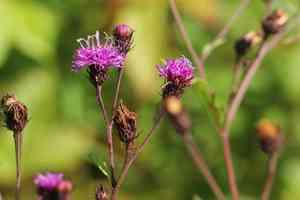
Ironweed, recognized for its robust, enduring character, is a cold-tolerant plant. This means it can withstand freezing temperatures without significant harm. This perennial, often found in meadows and prairies, displays beautiful purple flowers. Due to its frost tolerance, it can thrive in USDA zones 4-9. However, even the toughest plants like Ironweed need some winter preparation to ensure they flourish when spring arrives. Knowing the plant's ability to resist cold aids in customizing winter care strategies effectively.
When to Start Preparing Ironweed for Winter
Ideal Timing for Winter Prep
Initiate winter preparations for Ironweed when temperatures consistently drop below 10°C (50°F). Typically, late autumn provides the perfect window for these tasks. Timely preparation helps safeguard the plant from sudden cold snaps and allows ample time to ensure all steps are properly executed.
Signs Your Plant is Ready
When Ironweed begins to show dormancy indicators, such as yellowing foliage or slowed growth, it's time to commence winter preparations. A shift in the plant's energy from above-ground development to root preservation signals its readiness for winterizing efforts. Observing these signs ensures you don't act too early or too late.
Pruning Ironweed for Winter Safety
How to Properly Prune Before Winter
Pruning is a crucial step in readying Ironweed for winter. Cut the plant back to approximately 15-20 cm (6-8 inches) from the ground. This reduces the risk of pests overwintering and encourages healthier growth in the spring. Be sure to remove any dead or diseased parts of the plant to prevent future problems.
Tools You Will Need
For effective pruning, use sharp, clean pruning shears or garden scissors. A pair of gloves will protect your hands from thorns and rough stems. Having a disinfectant like rubbing alcohol readily available to clean your tools before and after each use helps prevent disease spread.
Mulching: An Essential Step for Wintering Ironweed
Best Types of Mulch for Ironweed
Organic mulches such as straw, compost, and wood chips are excellent for protecting Ironweed during winter. These materials insulate the soil, maintain moisture levels, and eventually decompose to enrich the soil. Avoid inorganic materials like plastic or rubber, as they don't offer the same benefits.
Proper Mulching Techniques
Apply a 5-10 cm (2-4 inch) thick layer of mulch around the plant's base. Ensure the mulch completely covers the root area but leave a small gap around the stem to prevent rot. This insulation will protect the roots from extreme temperature fluctuations and retain soil moisture.
Watering Ironweed During Winter
How Much Water is Needed
Ironweed requires less water during its dormant winter phase. Water the plant deeply just before the first significant frost to provide it with a good moisture base. This deep watering helps prevent the roots from drying out during the winter months.
Watering Frequency in Cold Conditions
In winter, watering frequency should decrease considerably. Check the soil's moisture level once a month. Excessive watering can lead to root rot, especially when the soil cannot dry out quickly due to lower temperatures.
Protecting Ironweed from Winter Pests
Common Winter Pests to Watch Out For
Winter pests such as voles, mice, and certain insects may target Ironweed. These pests seek food and shelter during cold months, and a neglected plant is an easy target. Regular inspection aids in early detection of pest activity.
Natural Pest Control Methods
Use barriers like wire mesh around the plant's base to deter larger pests. For insects, a light application of neem oil or an organic insecticide can keep them at bay. Encouraging natural predators, such as birds, can also help manage pest populations.
Monitoring Ironweed Throughout Winter
Signs of Plant Stress
Look for signs of plant stress such as wilting, discoloration, or unusual leaf drop. Besides weather changes, such symptoms might indicate pest issues or improper mulch application. Keeping an eye on these signs helps in timely intervention.
How to Take Corrective Actions
Address any signs of stress by ensuring proper mulching, adjusting watering habits, and inspecting for pest issues. Reapply mulch if it decomposes too quickly, and consider temporary windbreaks if the plant appears to be suffering from harsh winds.



