How to Overwinter Valerian
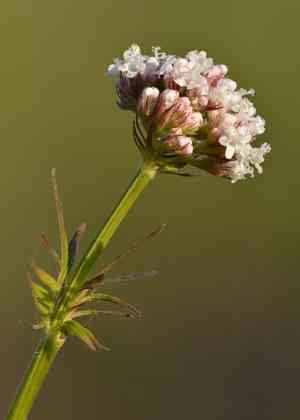
1
Valerian is a resilient plant capable of enduring frost, yet it still requires some safeguarding during severe winter weather.
2
Start winterizing Valerian in late autumn, prior to the initial frost.
3
Bringing it indoors for winter can be a viable choice if outdoor environments become excessively harsh.
Understanding Valerian and Its Frost Hardiness
Understanding Valerian and Its Frost Hardiness
Valerian is a robust perennial plant recognized for its aromatic blooms and therapeutic qualities. Originating from Europe and parts of Asia, Valerian is frequently cultivated in gardens globally. Despite its ability to endure cold, meaning it can survive lower temperatures, it's crucial to offer some assistance during very cold conditions to guarantee its vitality in spring. Valerian can tolerate frost, but additional care significantly contributes to healthy development.
Preparing Valerian for the Winter Season
When to Start Winter Preparations
Winter preparations for Valerian should commence in late autumn, ideally before the initial frost. This allows the plant time to adapt and fortifies its defenses against the cold season. Monitoring weather forecasts and knowing your local frost dates can help you accurately time this process.
Pruning Valerian before Winter
Pruning is a vital step in readying Valerian for winter. Cut back the spent flowers and stems to reduce the plant's energy consumption during the cold months. Trim the stems to approximately 10 cm (4 inches) above the ground. This not only tidies the plant but also minimizes the risk of diseases developing in damp, cold conditions.
Watering Requirements Leading up to Winter
In the weeks preceding winter, ensure Valerian is adequately watered to help it withstand the cold. While you should decrease watering as temperatures drop, the soil should not be entirely dry. Moist (but not waterlogged) ground provides better insulation for the plant's roots.
Mulching and Soil Protection
Mulch is your Valerian's best ally for winter protection. Apply a thick layer of mulch, about 5-7 cm (2-3 inches) deep, around the plant's base. This can be straw, leaves, or even bark. Mulching helps retain soil moisture and creates a barrier against the cold, helping to keep the roots warm.
Protecting Valerian from Extreme Winter Conditions
Using Insulating Covers
During exceptionally cold winter periods, utilize insulating covers to safeguard your Valerian. Frost blankets, burlap, or even an old bedsheet draped over the plant can help shield it from harsh winds and frost. Ensure the covers are secured to prevent them from blowing away and do not directly touch the plant to avoid frost damage.
Indoor Overwintering Options
If winters in your region are particularly severe, consider bringing Valerian indoors. Transplant the plant into a pot and relocate it to a cool, well-lit area such as a garage or basement that remains above freezing. Indoor overwintering allows for better control of conditions and reduces stress on the plant.
Maintaining Valerian during Winter
Monitoring Soil Moisture Levels
Throughout the winter, it's important to check the soil moisture around your Valerian. Although the plant's water needs are reduced during this period, the roots should never be allowed to completely dry out. Keep the soil slightly moist, adjusting according to indoor humidity levels if overwintering inside.
Checking for Pests and Diseases
Regularly inspect your plant for signs of pests and diseases. Winter can be a time when various pests seek refuge in your garden plants. Look for discolored or damaged leaves and stems, and take appropriate action if you detect any pests. Maintaining the plant's health through winter will ensure a stronger resurgence in spring.
Spring Care for Overwintered Valerian
Gradually Reintroducing Outdoor Conditions
As the frost begins to melt and spring approaches, gradually reintroduce your Valerian to outdoor conditions. Bring potted plants outdoors for a few hours daily, progressively increasing their time outside. This hardening process helps the plant adapt to changing temperatures without causing stress.
Resuming Regular Watering and Fertilization
With the return of warmer weather, resume standard watering practices. Begin fertilizing once again to provide your Valerian with the nutrients it needs for robust growth. A balanced, all-purpose fertilizer can be used according to package instructions.
Pruning and Encouraging New Growth
Once new growth starts to emerge, consider a light pruning to encourage a fuller plant. Trim away any dead or damaged stems and make way for healthy new shoots. This promotes vigorous growth and a flourishing plant for the new growing season.



