How to Overwinter Rock elm
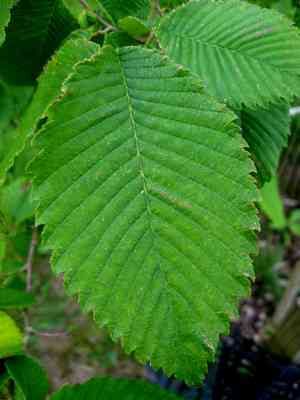
1
The Rock elm tolerates frost well, indicating its robustness against low temperatures, though it still needs appropriate attention.
2
Juvenile Rock elm trees are more vulnerable to cold weather harm and require additional safeguarding.
3
Proper trimming and applying mulch can greatly improve the tree's winter survival prospects.
Understanding the Frost Hardiness of Rock elm
Understanding the Frost Hardiness of Rock elm
The Rock elm, known scientifically as Ulmus thomasii, is a sturdy tree native to North America. This species exhibits frost hardiness, meaning it can endure the severe winter temperatures common in many parts of the United States. However, even resilient trees like the Rock elm require proper preparation and care to survive the colder months without damage. This guide will assist you in ensuring your Rock elm thrives, even when temperatures drop.
Preparing Rock elm for Winter
Inspections and Pruning
Thoroughly inspect your Rock elm for any indications of disease, damaged limbs, or dead wood. Begin this process in late autumn, prior to the arrival of the first frost. Pruning is essentialâit helps eliminate any weak or lifeless branches that could become problematic during heavy snow or ice. Use clean, sharp pruning shears to make cuts at a 45-degree angle, which aids water runoff and prevents decay. Always dispose of pruned material correctly to avoid any potential disease spread.
Feeding and Watering
Before winter commences, ensure your Rock elm is adequately nourished. Start by applying a slow-release fertilizer rich in phosphorus to stimulate root development. Water the tree deeplyâaim for approximately 20-30 liters (5-8 gallons) per watering session to guarantee moisture penetrates deep into the soil. Mulching around the tree's base can help retain this moisture while also providing some temperature regulation by keeping the ground warmer and moist.
Protecting Younger Rock elm Specimens
Mulching Techniques
Young Rock elm trees are more susceptible to cold stress than their mature counterparts. Applying a thick layer of organic mulchâabout 7-10 centimeters (3-4 inches) deepâaround the tree's base can help insulate the roots from freezing temperatures. Ensure the mulch is kept a few centimeters (inches) away from the trunk to prevent rot.
Using Protective Wraps
For younger Rock elm trees, you might also consider utilizing protective wraps. These wraps can be made of burlap or other breathable materials and should be applied around the trunk and main branches to shield the tree from harsh winds and ice accumulation. Secure the wraps loosely enough to allow for some airflow but tightly enough to remain in place through winter storms.
Promoting Healthy Growth After Winter
Post-Winter Pruning
Once the risk of frost has passed, it's time to assess your Rock elm and perform any necessary post-winter pruning. Remove any damaged or deadwood that winter may have caused. This not only enhances the tree's appearance but also encourages healthy new growth. Employ the same pruning techniques from before winter, ensuring that you're cutting at angles to promote runoff.
Fertilization and Watering Schedule
With warmer weather approaching, shift your focus to fertilization and regular watering. A balanced, slow-release fertilizer can help replenish nutrients that the tree has used up over winter. Ensure your Rock elm receives supplementary water as neededâspring can sometimes have dry periods. Use around 20-30 liters (5-8 gallons) of water per session, ensuring deep soil penetration.



