How to Overwinter Slippery elm
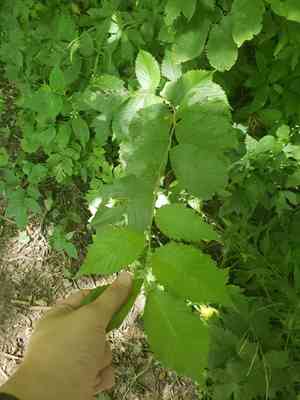
1
Slippery elm trees originate from North America and possess significant frost resistance.
2
Applying mulch around the base of Slippery elm trees aids in protecting their roots from winter temperatures.
3
Post-winter, it's essential to conduct routine checks for pests and any signs of damage.
What Makes Slippery elm Frost Hardy?
What Makes Slippery elm Frost Hardy?
The Slippery elm, known for its adaptability and strength, is a tree native to North America and recognized for its ability to withstand frost. This resilience comes from its natural environment, which often experiences cold winters. The tree has developed thick bark that offers significant protection from low temperatures. Furthermore, its roots extend deep into the soil, accessing moisture and nutrients that help it survive cold weather. Thus, Slippery elm trees are categorized as 'hardy,' capable of enduring harsh winters with proper preparations.
Pre-Winter Preparations for Slippery elm
Inspect the Tree Health
Before winter's onset, it's essential to examine your Slippery elm tree for any indications of illness or harm. Look for discolored foliage, unusual growths, or bark damage. Early detection of these issues can prevent them from worsening during the colder months. Address any problems by consulting a local arborist or plant care specialist for the best treatment options.
Watering Schedule Adjustments
Modifying your watering routine is crucial as temperatures drop. Ensure your Slippery elm receives sufficient water in the autumn. Deep watering, providing approximately 20 liters (5 gallons), helps the tree store moisture in its roots. However, avoid overwatering, as this can lead to root rot. As winter begins, natural precipitation will generally be enough.
Mulching the Base
Mulching is a vital step in safeguarding your Slippery elm. Apply a thick layer of organic mulch, such as wood chips or bark, around the base. This mulch, about 5 to 10 cm (2 to 4 inches) thick, acts as an insulator, keeping the roots warmer and retaining moisture. It also helps prevent soil erosion caused by winter winds. Avoid piling mulch directly against the trunk to prevent mold growth.
Pruning Techniques
Pruning your Slippery elm in late fall helps maintain its structure and health through winter. Remove dead or diseased branches to lessen the risk of them breaking under snow and ice. Always use clean, sharp pruning tools to make precise cuts, aiding the tree's healing process. Focus on thinning out crowded areas to improve air circulation, reducing the chance of winter pest infestations.
How to Protect Slippery elm During Winter?
Shielding from Winter Winds
Winter winds can be particularly harsh on Slippery elm trees. To protect them, consider installing windbreaks like burlap screens or planting evergreen shrubs nearby. These structures can reduce wind speed, preventing limb breakage and moisture loss. Ensuring your tree is well-anchored can also help it withstand strong gusts.
Snow and Ice Management
Heavy snow and ice can damage the branches of Slippery elm trees. Gently brush off accumulated snow from branches using a broom to prevent breakage. Avoid shaking the branches forcefully, as this can cause more harm. For ice, it's best to let it melt naturally; attempting to remove it can lead to branch damage.
Managing Winter Pests
During winter, Slippery elm trees can still be susceptible to pests such as rodents and certain insects. Inspect the trunk and branches regularly, and consider using tree wraps or guards to deter rodents. Applying a dormant oil spray can help manage insect eggs and larvae that overwinter on the tree. Consult with a plant care expert for specific pest control recommendations.
Post-Winter Care for Slippery elm
Assessing Winter Damage
As spring arrives, thoroughly inspect your Slippery elm for any winter damage. Look for signs such as broken branches, split bark, and frost cracks. Promptly prune damaged branches to encourage new growth and prevent diseases. If extensive damage is observed, consulting a professional arborist is advisable.
Spring Feeding and Watering
After winter, your Slippery elm will benefit from a nutrient boost. Apply a balanced fertilizer, following the product's instructions for quantities. Ensure the tree gets consistent watering, especially during dry spells. Deep watering, providing about 20 liters (5 gallons), helps the roots recover and supports new growth.
Preventative Treatments
Implement preventative treatments to strengthen your Slippery elm against future challenges. Applying a slow-release fertilizer can provide sustained nutrition throughout the growing season. Additionally, consider treatments for common elm diseases and pests, like Elm Leaf Beetle. Regular monitoring and maintenance will keep your tree healthy and resilient year-round.



