How to Overwinter Siberian elm
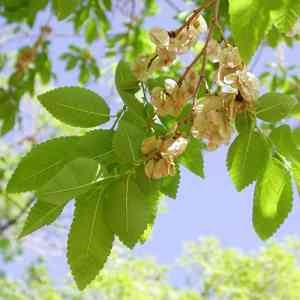
1
Siberian elm 1 shows great flexibility across different weather conditions and is recognized for its resistance to cold.
2
Trimming and applying mulch are crucial actions to get your Siberian elm 1 ready for the winter season.
3
Shielding your Siberian elm 1 with windbreaks and adequate irrigation can avert harm during colder months.
Understanding Siberian elm Hardiness
Understanding Siberian elm Hardiness
The Siberian elm (Ulmus pumila) is a resilient tree species capable of withstanding cold temperatures, making it suitable for diverse climates, including areas with severe winters. Renowned for its durability, this elm can endure temperatures as low as -28°C (-18°F). However, despite its robustness, proper care and preparation are vital to ensure its survival through the colder months.
Preparing Your Siberian elm for Winter
Pruning and Cleaning
Before the initial frost arrives, it's essential to prune your Siberian elm. Pruning helps eliminate dead or diseased branches, allowing the tree to direct its energy towards healthy growth. Begin by trimming away deadwood and poorly spaced branches to enhance air circulation. Make precise cuts just outside the branch collar, avoiding tears or rough edges. Additionally, clear away fallen leaves and debris from around the tree's base to deter pests and diseases that can thrive in winter.
Mulching Techniques
Mulching offers valuable insulation for your Siberian elm's root system during winter. Apply a 7.5-10 cm (3-4 inch) layer of organic mulch, such as wood chips or straw, around the tree's base, extending to the drip line. Mulch helps maintain soil moisture, moderates soil temperature, and reduces weed competition. Ensure the mulch is kept away from the trunk to prevent rot and pest infestations.
Protecting Your Siberian elm During Winter
Wind Barriers
Winter winds can be harsh and dehydrating, causing stress to your Siberian elm. To protect your tree, consider building a wind barrier using burlap or other breathable materials. You can place stakes around the tree and wrap the burlap around them to create a protective shield. This barrier will lessen wind exposure and help maintain humidity around the tree.
Watering Guidelines
Appropriate watering is critical for your Siberian elm's survival during winter. In late fall, before the ground freezes, give the tree a thorough watering to ensure it has sufficient moisture to last through the winter. Water slowly and deeply, allowing the soil to absorb the water completely. During dry winter periods, occasionally water the tree if the ground isnât frozen to prevent the roots from drying out.
What to Do If Your Siberian elm Suffers Winter Damage?
Identifying Winter Damage
Winter damage in Siberian elm trees can appear in various forms, including cracked branches, bark splitting, and winter burn (browning of leaves). To assess the damage, inspect the tree closely once the weather begins to warm. Look for dead branches, unusual marks on the bark, or any signs of disease and pest infestation.
Recovery and Care Tips
If your Siberian elm has sustained winter damage, begin by pruning the affected branches. Make clean cuts to remove damaged wood and encourage new growth. Apply a balanced fertilizer in early spring to help the tree recover and promote healthy development. Consistent watering and mulching throughout the growing season will also aid in the tree's recovery. Keep an eye out for pests or diseases that can exploit weakened trees and treat them promptly.



