How to Overwinter Wych elm
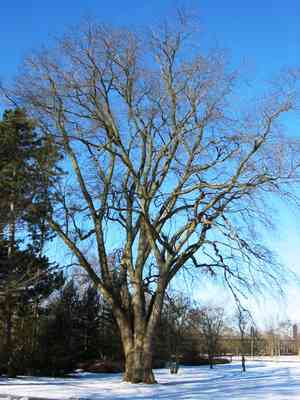
1
Wych elm is resilient and tolerates low temperatures, but appropriate maintenance is crucial to avoid harm.
2
Applying mulch aids in insulating Wych elm's root system, maintaining warmth through severe winter periods.
3
Periodically checking your Wych elm for cold-induced damage allows for prompt intervention should issues emerge.
Why is Overwintering Wych elm Important?
Why is Overwintering Wych elm Important?
The Wych elm (Ulmus glabra) is a robust species known for its resilience in cold climates. However, even tough plants can suffer during winter's most severe months. Properly overwintering your Wych elm ensures it stays healthy and strong, ready to flourish in spring. Winter conditions, such as frost, heavy snowfall, and fluctuating temperatures, can stress the plant and potentially cause harm. By taking necessary steps to safeguard your tree, you can prevent issues like frost cracks, root damage, and pest infestations that may occur during the colder season.
Preparing Wych elm for Winter
Inspecting for Diseases and Pests
Before the onset of cold weather, it's vital to examine your Wych elm for any indications of diseases or pests. Look for symptoms such as discolored foliage, unusual growths, or insect activity. Address any problems promptly with suitable pesticides or fungicides to ensure the tree is healthy entering winter. A robust tree is better equipped to endure winter stresses.
Pruning Tips Before Winter
Pruning your Wych elm before winter helps maintain its form and removes any weak or damaged branches that could break under the weight of snow and ice. Focus on eliminating dead wood and thinning dense areas to enhance air circulation. Make clean cuts close to the branch collar to encourage proper healing. However, avoid extensive pruning as this can stimulate new growth, which is more vulnerable to winter damage.
Watering Practices
Correctly watering your Wych elm before winter is crucial. Ensure the tree has sufficient moisture before the ground freezes, as dry soil can worsen winter stress. A thorough watering, providing the roots with approximately 25-50 liters (6.5-13.2 gallons) of water, can be beneficial. However, avoid watering late in the evening to prevent water from freezing around the roots overnight.
How to Protect Wych elm During Winter
Mulching Techniques
Apply a thick layer of mulch around the base of your Wych elm to insulate the roots. Organic mulch materials like wood chips or straw are ideal. Spread the mulch 5-10 cm (2-4 inches) thick and extend it to the tree's drip line. This helps regulate soil temperature and retain moisture, preventing soil freezing and thawing cycles that can harm roots.
Using Protective Covers
For added protection, especially in regions with extreme winter conditions, consider using protective coverings. Wrapping the trunk with burlap or a tree wrap can shield it from harsh winds and frost cracks. Ensure the wrap is breathable to prevent moisture buildup, which can lead to fungal issues.
Monitoring Wych elm Through the Winter
Checking Soil Moisture Levels
Regularly check the soil moisture around your Wych elm throughout the winter. Even though the tree is dormant, it still requires water to survive. If the soil is dry, water the tree on a mild winter day when the ground is not frozen, ensuring the water reaches the roots.
Inspecting for Frost Damage
After frosty nights, inspect your tree for signs of frost damage, such as discolored or shriveled bark. Detecting these signs early allows you to take protective measures, such as applying more mulch or using a frost blanket during particularly cold nights.
What to Do if Wych elm Suffers Winter Damage?
Identifying Winter Damage
Winter damage can appear in various forms, including bark splitting, broken branches, or signs of disease. Identifying these issues early in the spring can help you take corrective action. Look out for bare branches, unusual bark texture, or any oozing sap that could indicate damage.
Steps to Revive Your Wych elm
If your Wych elm shows signs of winter damage, begin by pruning away any dead or damaged branches. Water the tree deeply to help it recover from any moisture loss during winter. You can also apply a balanced fertilizer in early spring to promote new growth and strengthen the tree. If the damage is severe, consult a professional arborist for further advice.



