How to Overwinter American elm
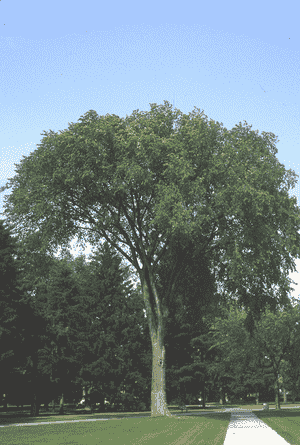
1
American elm trees are resilient to cold and can endure severe winter weather.
2
Pre-frost irrigation is vital to guarantee the tree is adequately moisturized.
3
Applying mulch around the tree's base aids in shielding its roots from freezing.
Understanding American elm's Frost Hardiness
Understanding American elm's Frost Hardiness
The American elm is well-known for its toughness and adaptability, especially in colder climates. These grand trees are frost-tolerant, meaning they can withstand freezing temperatures without significant harm. Knowing your American elm's frost hardiness is vital for winter preparation. These trees can endure temperatures as low as -30°C (-22°F), making them suitable for various regions. However, even frost-hardy plants benefit from some care and preparation to ensure they flourish through the winter months.
Steps to Prepare Your American elm for Overwintering
Inspecting and Pruning
Before winter arrives, thoroughly check your American elm for any indications of disease or damage. Trimming dead or injured branches ensures the tree's energy is directed toward healthy development. Use clean, sharp pruning tools for precise cuts. Remove any branches that cross or rub to prevent potential winter damage from wind or snow.
Watering Practices Before Winter
Sufficient watering before the ground freezes is crucial. Ensure your American elm receives a deep watering (approximately 40 liters or 10 gallons) to maintain moisture in the root zone. This is particularly important in the weeks leading up to the first frost. Well-hydrated trees are less likely to suffer from winter burn or dehydration.
Mulching for Protection
Applying a thick layer of mulch (about 5-10 cm or 2-4 inches) around the base of your American elm helps insulate the roots and soil. Organic mulch like wood chips or straw is ideal. Spread the mulch in a circle extending out to the tree's drip line, being careful not to pile it against the trunk.
Shielding from Winter Winds
Winter winds can be harsh, but you can protect your American elm by erecting a windbreak. Burlap screens or temporary fencing can reduce wind exposure and minimize the risk of desiccation. Position the windbreak on the side of the prevailing winter winds for optimal protection.
Monitoring Your American elm During Winter
Regular Inspections
Throughout the winter, regularly inspect your American elm for any signs of stress or damage. Check for broken branches, frost cracks, or animal damage. Promptly addressing these issues will help prevent further complications when spring arrives.
Winter Watering Tips
Even during winter, it's important to water your American elm during thaw periods when the ground isn't frozen. Use lukewarm water to avoid shocking the tree. Watering during warm spells helps maintain root hydration and supports the tree's overall health.
Pest and Disease Monitoring
Winter is a prime time for certain pests and diseases. Keep an eye out for signs of trouble such as bark beetles or fungal infections. If you notice anything unusual, take action immediately by consulting a local arborist or plant care specialist for guidance.
Post-Winter Care for Your American elm
Assessing Winter Damage
As the winter thaws, carefully assess your American elm for any winter damage. Look for signs such as bark splitting, broken branches, or frost heave. Assessing the damage early allows you to address any issues promptly.
Pruning and Cleaning Up
Once you've assessed any damage, it's time to prune and clean up your tree. Remove any broken or damaged branches, and clean up any fallen debris around the base of the tree. This helps maintain a healthy environment for your American elm.
Preparing for Spring Growth
As the weather warms up, start preparing your American elm for spring growth. Apply a balanced fertilizer, such as a 10-10-10 mix, to provide essential nutrients. Ensure the soil around the tree remains loose and well-drained to support new growth.



