How to Overwinter Society garlic
1
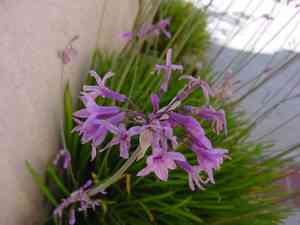
Tulbaghia violacea is a somewhat tender plant needing indoor protection in colder regions.
2
The perfect indoor temperature for keeping Tulbaghia violacea over winter ranges from 10-15°C (50-59°F).
3
Make sure Tulbaghia violacea receives 6-8 hours of filtered light each day throughout the winter.
Why Overwintering Society garlic is Essential
Why Overwintering Society garlic is Essential
Overwintering Society garlic is vital for its survival in areas with freezing temperatures. As a semi-hardy plant, it's vulnerable to frost and extended cold periods. This process helps maintain the plant's health and strength, allowing it to flourish when the growing season returns. Proper care during colder months will result in abundant foliage and beautiful flowers in spring.
Selecting the Ideal Overwintering Spot
Indoor Overwintering for Society garlic
Indoor overwintering is often the best option for Society garlic, especially in regions with harsh winters. Choose a cool, well-lit spot like a sunroom or a south-facing window. The optimal indoor temperature is between 10-15°C (50-59°F). Avoid placing the plant near heating vents or drafty windows to prevent temperature fluctuations.
Outdoor Overwintering Advice
If indoor space is limited, outdoor overwintering can be considered in milder climates. Use mulch to insulate the roots, applying a 5-10 cm (2-4 inch) layer of straw, leaves, or wood chips around the plant's base. Cover the plant with garden fleece or burlap on particularly cold nights for added protection.
Preparing Society garlic for Winter Dormancy
Trimming and Cleaning
Begin by pruning any dead or damaged foliage to reduce disease risk. Remove yellowing leaves and spent flower stalks. This helps the plant conserve energy for winter survival. Thoroughly clean around the plant's base to eliminate debris that could harbor pests or diseases.
Potting the Plants
If you plan to bring your Society garlic indoors, potting is essential. Select a container with good drainage and fill it with a well-draining potting mix. Carefully dig up the plant, minimizing root disturbance, and place it in the pot. Water thoroughly and allow excess water to drain before moving indoors.
Ensuring Proper Soil Conditions
Soil is a critical factor for successful overwintering. Ensure the soil drains well to prevent waterlogging, which can lead to root rot. Society garlic prefers slightly sandy or loamy soil. If the soil is too compact, mix in perlite or sand to improve its texture and drainage.
Winter Maintenance for Society garlic
Monitoring Light Levels
Society garlic needs bright, indirect light during winter. Aim for 6-8 hours of sunlight daily. If natural light is insufficient, consider using grow lights as a supplement. Position the lights about 30-45 cm (12-18 inches) above the plant and keep them on for 10-12 hours daily.
Watering Guidelines
Watering needs decrease during winter. Water the plant when the top 2-3 cm (1 inch) of soil feels dry. Avoid overwatering, as it can cause root rot. Water sparingly, ensuring excess water can drain. A good rule of thumb is to water every 2-3 weeks, adjusting based on the plant's specific needs and environment.
Temperature Control
Society garlic prefers cooler winter temperatures, ideally between 10-15°C (50-59°F). Avoid exposing the plant to sudden temperature changes, which can cause stress. If overwintering indoors, maintain consistent temperatures, avoiding drafts and heat sources that can create inconsistent conditions.
Common Overwintering Issues and Solutions
Dealing with Pests
Indoor environments can sometimes lead to pest problems. Regularly inspect your Society garlic for signs of aphids, spider mites, and whiteflies. Use a mild insecticidal soap or neem oil to treat infestations. Ensure good air circulation around the plant to prevent pest buildup.
Addressing Fungal Issues
Fungal problems like mildew can occur in areas with high humidity and poor air circulation. Immediately remove affected leaves and ensure the plant has adequate airflow. Use a fungicide if necessary, but always follow manufacturer's instructions to avoid plant damage.
Preventing Root Rot
Root rot is a common issue caused by overwatering or poor drainage. To prevent this, water sparingly and ensure the pot has adequate drainage holes. If you suspect root rot, remove the plant from its pot, trim away affected roots, and repot in fresh, well-draining soil.



