How to Overwinter Western hemlock
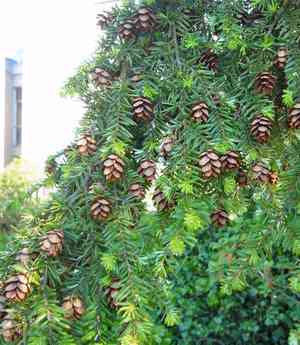
1
Western hemlock exhibits strong frost tolerance, allowing it to withstand most winter environments.
2
Adequate mulching is crucial for safeguarding Western hemlock roots against freezing temperatures.
3
Consistent observation throughout winter aids in identifying initial indicators of stress or pest issues.
What are the Winter Care Requirements for Western hemlock?
What are the Winter Care Requirements for Western hemlock?
As colder weather approaches, ensuring your Western hemlock thrives through winter demands careful preparation and upkeep. Known for its frost resilience, this beautiful evergreen can endure harsh temperatures with proper care. Here, we discuss specific needs to keep your Western hemlock healthy during the chilly months.
Preparing Western hemlock for Winter
Watering Needs
Watering is vital as winter nears, but moderation is key. As the ground starts to freeze, water retention shifts, potentially causing root rot. Ensure the soil around your Western hemlock is damp but not saturated. A thorough watering (around 20 liters or 5 gallons) once weekly should suffice, decreasing as freezing temperatures arrive.
Mulching Techniques
Mulching is an excellent method to insulate your Western hemlock's roots from the cold. Apply a thick layer (about 5-10 cm or 2-4 inches) of organic mulch like wood chips or pine needles around the tree's base, ensuring it doesn't touch the trunk directly to prevent decay. This acts as a cover, stabilizing soil temperature and reducing moisture loss.
Pruning Essentials
Pruning your Western hemlock before winter minimizes potential harm from heavy snow or ice. Remove any dead or weak branches that might break under snow's weight. Carefully trim back any excessive growth to enhance air circulation and lower disease risk. Use clean, sharp tools for precise cuts to avoid further tree damage.
How to Protect Western hemlock from Frost?
Using Frost Cloths
If frost is a major concern in your region, frost cloths offer an extra layer of defense. Cover the Western hemlock with frost cloths or burlap when frost is predicted. These materials allow the tree to breathe while insulating against temperature drops. Secure the cloths with stakes to prevent them from being blown away by wind.
Windbreaks and Shelter
Strong winds can intensify cold stress on your Western hemlock. Building physical windbreaks or shelters can lessen this risk. Erecting temporary barriers such as burlap screens or planting the tree near structures that block wind can protect it. If winds are particularly severe, consider creating a windbreak using stakes and burlap around the tree.
Monitoring Western hemlock Health During Winter
Checking for Signs of Stress
Throughout the winter, watch for signs of stress in your Western hemlock. Look for discolored needles, unusual needle drop, or brittle branches. Regular inspection helps catch these signs early, allowing corrective action, such as adjusting watering or adding more mulch, to support the tree through winter.
Pest and Disease Control
Winter does not eliminate the threat of pests and diseases. Regularly check your Western hemlock for pests like mites or aphids, and diseases such as needle blight or canker. If problems are found, removing affected branches and applying suitable treatments can stop spread. Natural predators or horticultural oils can also effectively manage pests.
Post-Winter Care for Western hemlock
Rewatering and Feeding
As temperatures rise, it's important to re-establish a consistent watering routine. Gradually increase water to help the tree transition from dormancy to active growth. Fertilize with a balanced, slow-release product to provide essential nutrients for the growing season. Deep watering once a week (20-30 liters or 5-8 gallons) should suffice, adjusted for rainfall.
Assessing and Addressing Damage
Inspect your Western hemlock for winter damage once frost danger has passed. Look for broken branches, frost cracks, or disease signs. Prune any damaged areas with clean, sharp tools. For significant damage, consider consulting a tree care professional for proper recovery and to prevent long-term issues. Mulching and adequate hydration will also aid recovery.



