How to Overwinter White trillium
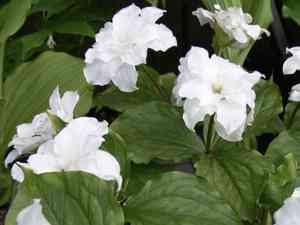
1
White trillium tolerates cold well and can endure freezing conditions with appropriate attention.
2
Applying mulch insulates the ground and shields White trillium roots from cold winter temperatures.
3
Periodically inspect for insects, as they can inflict considerable harm over the winter period.
What Does it Mean to Overwinter White trillium?
What Does it Mean to Overwinter White trillium?
Overwintering refers to the process of preparing your White trillium to survive the cold winter months. This involves several steps, including soil preparation, mulching, and adjusting watering schedules. Proper overwintering ensures that your White trillium remains healthy and ready to thrive when spring arrives. By taking preventive measures, you can protect your plant from the harsh elements and ensure its longevity.
Is White trillium Frost Hardy?
Understanding Frost Hardiness
White trillium is a frost-hardy plant, which means it can survive freezing temperatures. Frost hardiness is determined by a plant's ability to withstand cold conditions without sustaining significant damage. For White trillium, being frost hardy implies that it can endure the cold with some basic precautions, making it easier to maintain over the winter.
Ideal Winter Conditions for White trillium
To keep your White trillium healthy during winter, itâs essential to create the right environment. This includes well-drained soil to prevent waterlogging and proper insulation to keep the roots warm. Additionally, choosing a location that provides some protection from harsh winds will further support your plant's well-being throughout the cold season.
Steps to Overwinter White trillium
Preparing the Soil
Start by enriching the soil with compost or organic matter in the fall. This adds nutrients that will support the plant's health throughout the winter. Well-drained soil helps prevent root rot, a common issue during the winter months when the ground can become overly saturated.
Mulching and Insulation
Apply a thick layer of mulch, approximately 5-10 cm (2-4 inches) deep, around the base of your White trillium. Mulching acts as an insulating layer, maintaining a consistent temperature and preventing the soil from freezing. A mix of leaf mold, straw, or bark chips works well for this purpose.
Watering Requirements
As temperatures drop, reduce the watering frequency. Overwatering can lead to root rot, especially when the soil is cold. However, make sure the soil remains slightly moist to prevent it from drying out completely. A good rule of thumb is to check the soil moisture once a week and water sparingly if necessary.
Protection from Pests
Winter does not offer complete immunity from pests. Check your White trillium regularly for signs of pests like slugs or rodents. Using natural pest repellents and traps can help keep these unwanted visitors at bay. Additionally, maintaining garden cleanliness by removing debris can reduce the likelihood of pest infestations.



