How to Overwinter Ohio spiderwort
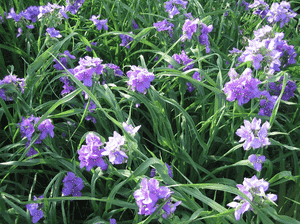
1
Ohio spiderwort withstands cold temperatures well, being frost-tolerant.
2
Adequate mulching is crucial for safeguarding Ohio spiderwort roots in winter.
3
Slowly acclimating Ohio spiderwort to outdoor environments prevents stress.
Is Ohio spiderwort Frost Hardy?
Is Ohio spiderwort Frost Hardy?
Excellent news for Ohio spiderwort enthusiasts! This lovely perennial is indeed cold tolerant. Indigenous to North America, Ohio spiderwort can endure low temperatures, making it a robust option for your garden. However, while it is frost hardy, proper winter care can ensure your plant flourishes when warmer seasons return.
Preparing Ohio spiderwort for Winter
Inspecting the Plant
Prior to the onset of cold weather, dedicate some time to examine your Ohio spiderwort. Look for any indications of illness or pest infestations. Healthy plants are more likely to survive winter without issues, so promptly remove any damaged or diseased foliage.
Trimming and Pruning
Another crucial step in getting your Ohio spiderwort ready for winter is trimming and pruning. Cut back the stems to approximately 15 cm (6 inches) above the ground. This helps the plant direct its energy to the root system during the colder months.
Covering and Mulching
Once you've trimmed your plant, it's time to add a protective layer. A thick layer of mulch, about 7.6-10 cm (3-4 inches), around the plant's base can help insulate the roots. Straw or shredded bark works well and aids in retaining soil moisture and temperature.
Ideal Storage Conditions
Maintaining Temperature
Ohio spiderwort survives outdoor winter temperatures, but if you're overwintering young plants or need extra protection, store them in a cool, frost-free area. Aim for a consistent temperature around 10°C (50°F) to prevent freezing.
Ventilation Considerations
Good air circulation is vital to prevent mold and mildew. If storing your plants indoors, ensure they are not crowded and that air can move freely around them.
Common Issues During Overwintering
Pest Infestation
Watch out for any pests that might want to inhabit your Ohio spiderwort. Spider mites and aphids can be problematic even in winter. Regular inspection and early action can prevent a minor issue from escalating into a major problem.
Fungal and Bacterial Diseases
Fungal and bacterial diseases can also emerge during the winter months. Avoid overwatering, as damp conditions can encourage these problems. If you notice any discoloration or unusual spots on leaves or stems, take immediate action.
Post-Winter Care for Ohio spiderwort
Gradual Reintroduction to Outdoor Conditions
As spring approaches, do not rush to move your Ohio spiderwort back outdoors. Gradually reintroduce it to the outside environment, starting with a few hours a day and progressively increasing the duration over a couple of weeks.
Regular Monitoring and Maintenance
Once your Ohio spiderwort is back outdoors, closely observe its progress. Water regularly, but avoid overwatering. Inspect for any signs of late-winter pests or diseases, and address these promptly.



