How to Overwinter Small-leaf spiderwort
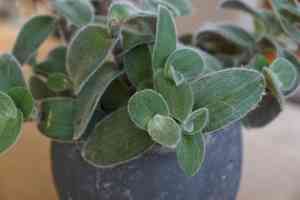
1
Small-leaf spiderwort flourishes in temperatures ranging from 15°C to 24°C (59°F to 75°F).
2
Make sure your Small-leaf spiderwort receives a minimum of 4-6 hours of filtered light in the colder months.
3
Periodically inspect for unwanted organisms and begin treatment quickly to prevent widespread problems.
Understanding Small-leaf spiderwort and Winter Challenges
Understanding Small-leaf spiderwort and Winter Challenges
The Small-leaf spiderwort, a delicate plant, is prized for its vibrant green foliage and trailing stems. Typically cultivated indoors, it demands particular care during colder months. As temperatures fall, the chill can stress this warmth-loving plant, often causing leaf discoloration or even plant demise if neglected. Being proactive and well-prepared to mitigate these issues will help your Small-leaf spiderwort thrive throughout winter.
When to Start Preparing for Overwintering
Early Signs of Winter
As autumn progresses, declining temperatures and shorter daylight hours indicate winter's approach. It's essential to begin monitoring weather forecasts when nighttime temperatures near 10°C (50°F). This is a clear signal to move your plant indoors to prevent the damaging effects of frost and cold.
Optimal Timing for Preparation
To give your Small-leaf spiderwort the best chance against winter's cold, start preparations by early to mid-autumn. Ideally, you should bring the plant inside before temperatures consistently drop below 10°C (50°F). Early preparation reduces plant stress, ensuring a smoother transition from outdoor to indoor environments.
Methods for Overwintering Small-leaf spiderwort Indoors
Selecting the Right Location
Choosing an appropriate indoor spot is crucial. Aim for a bright, indirect light source, such as a north or east-facing window. This helps sustain the plant's growth without exposing it to intense midday sun, which can be harmful during winter.
Maintaining Proper Temperature and Humidity
A stable environment is vital. Keep indoor temperatures between 15°C to 24°C (59°F to 75°F) and ensure moderate humidity levels. If the air feels too dry, consider using a humidifier or placing a tray with water and pebbles near the plant to naturally boost humidity.
Providing Adequate Light
Small-leaf spiderwort can struggle with reduced light levels in winter. Compensate by providing about 4-6 hours of indirect sunlight daily. If natural light is insufficient, you can use artificial grow lights to meet the plant's light requirements.
Watering and Feeding During Winter
Overwatering is a common error in winter. Water your Small-leaf spiderwort sparingly, ensuring the top 2.5-5 cm (1-2 inches) of soil is dry between waterings. Fertilize infrequently as the plant's growth rate slows; once every month or two with a diluted, balanced fertilizer should suffice.
Dealing with Common Problems During Overwintering
Pest Management
Indoor settings can encourage pest infestations. Regularly inspect your Small-leaf spiderwort for common pests like spider mites and aphids. Use insecticidal soap or neem oil for treatment, and isolate the plant if you notice an infestation to prevent its spread.
Preventing Fungal Issues
High indoor humidity and poor air circulation can lead to fungal problems. Ensure good air movement around the plant and avoid waterlogging the soil. Use a fungicide at the first sign of fungal infection and promptly remove any affected leaves.
Managing Leaf Drop
Leaf drop can indicate stress. Ensure you are not overwatering and that your plant receives adequate light. Monitor temperature and humidity closely, adjusting as needed to provide optimal conditions for your plant.
Reviving Small-leaf spiderwort Post-Winter
Gradual Reintroduction to Outdoor Conditions
As spring temperatures rise, begin acclimating your Small-leaf spiderwort to outdoor conditions gradually. Start with a few hours daily in a shaded area, progressively increasing exposure over two weeks. This transition helps prevent shock and prepares the plant for a full return outdoors.
Resuming Regular Care Routines
Once the risk of frost has passed, you can transplant your Small-leaf spiderwort back outside. Resume regular watering and feeding schedules. Gradually increase frequency and amount as the plant readjusts to growing season conditions.



