How to Overwinter Windmill palm
1
Windmill palms tolerate temperatures down to -10°C (14°F) but need safeguarding during severe winters.
2
Regular mulching insulates the root system and stops the soil from freezing.
3
Employing protective covers can help guard your Windmill palm against frost and wind harm.
What Makes the Windmill palm Frost Hardy?
What Makes the Windmill palm Frost Hardy?
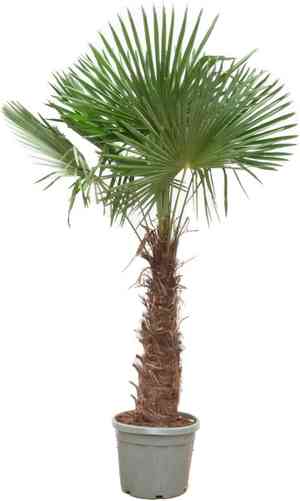
The Windmill palm (Trachycarpus fortunei) is well-known for its capacity to withstand low temperatures, making it a favored option for gardeners in colder climates. It stands out due to its sturdy, fibrous trunk that offers some natural insulation against frost. Furthermore, its fan-shaped fronds are robust and can endure cold, snowy conditions better than many other palm varieties. Its overall resilience allows it to flourish in regions where other palms would not survive.
Preparing Your Windmill palm for Winter
Assessing the Health of Your Plant
Before winter arrives, it's vital to evaluate your Windmill palm's condition. Check for any indications of illness, pests, or nutrient deficiencies. Healthy palms are more resistant to cold stress, so trim any dead or damaged fronds and promptly treat any pests. A strong and healthy palm will have a greater chance of surviving the winter without significant harm.
Watering Needs Before Winter
In the weeks leading up to winter, ensure your Windmill palm receives sufficient water. Consistent watering helps keep the plant hydrated, but avoid overwatering as this can lead to root rot. Before the ground freezes, give your palm a thorough watering. This will supply moisture to the roots and help the plant prepare for the dry winter conditions.
Mulching to Protect Roots
Mulching is a crucial step in getting your Windmill palm ready for winter. Apply a thick layer of mulch, approximately 5-10 centimeters (2-4 inches), around the base of the palm, extending outward to cover the root zone. Mulch helps insulate the roots and prevents the soil from freezing and thawing cycles, which can cause root damage. Materials like straw, wood chips, or even compost can be effective mulching choices.
What are the Optimal Shelter Conditions for a Windmill palm?
Choosing the Right Location
When overwintering your Windmill palm, the placement is essential. If possible, position the palm in a protected spot, such as near a south or west-facing wall, which can provide some natural warmth. Avoid low-lying areas where cold air can accumulate, increasing the risk of frost damage.
Using Protective Coverings
Protective coverings can significantly help prevent frost damage. Use burlap, frost cloth, or even old blankets to wrap the palm. Secure the coverings around the trunk and over the crown but ensure good air circulation to prevent mold and mildew. Avoid using plastic directly on the plant as it can trap moisture and lead to rot.
Supplemental Heating Options
In regions with extremely cold winters, additional heating might be necessary. You can wrap the trunk with frost protection cables or lights, but it's important to use them safely. Ensure they are designed for outdoor use and do not overheat the plant. Creating a microclimate with a portable greenhouse can also provide extra warmth.
Monitoring Your Windmill palm During Winter
Signs of Frost Damage
Regularly inspect your Windmill palm for indications of frost damage. Symptoms may include browning or blackening of the fronds, and soft, mushy spots on the trunk. If frost damage is apparent, take immediate action by removing the affected areas and applying a fungicide to prevent secondary infections.
Adjusting Watering Schedule
During winter, your Windmill palm will need less frequent watering. However, ensure the soil remains slightly moist, especially during dry periods. Water only when the top 5-8 centimeters (2-3 inches) of soil are dry, and avoid watering when temperatures are near freezing to prevent ice formation around the roots.
Post-Winter Care for Your Windmill palm
Inspecting for Winter Damage
As the weather warms up, examine your Windmill palm for any winter damage. Look for signs of frostbite, such as discolored fronds or damaged roots. Carefully prune away any dead or damaged fronds to prevent potential disease and give the plant a fresh start for the growing season.
Spring Pruning Tips
Pruning in spring is crucial to maintain the health and appearance of your Windmill palm. Remove any dead or damaged fronds at the base where they meet the trunk with clean, sharp tools. Avoid over-pruning, as leaving the healthy fronds intact will help the plant recover faster and promote new growth.
Fertilization After Winter
Once the risk of frost has passed, it's time to fertilize your Windmill palm. Use a balanced, slow-release fertilizer formulated for palms. Apply the fertilizer around the base of the plant, following the package instructions for the correct dosage. This will provide the necessary nutrients to support new growth and enhance the overall health of your palm.



