How to Overwinter Spanish moss
1
Spanish moss needs significant moisture in the air to flourish, even in colder months.
2
Do not give Spanish moss too much water, as this can cause root decay and other problems.
3
Periodically inspect for insects and fungal growth to maintain the well-being of your Spanish moss.
The Importance of Overwintering Spanish moss
The Importance of Overwintering Spanish moss
Protecting Spanish moss during winter is vital for its health and vigor. Low temperatures and frost can harm or even kill the plant, so taking necessary precautions in colder months ensures its survival and continued development.
Preparing Spanish moss for Winter
Checking for Stress Indicators
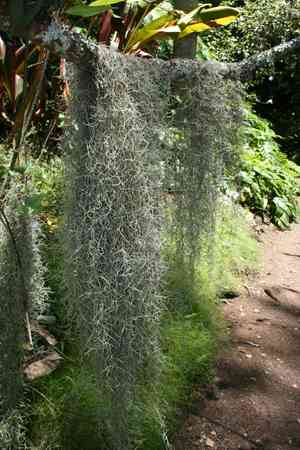
Before moving your Spanish moss for winter, examine it for any signs of distress, such as browning strands or wilting. Healthy Spanish moss should appear grayish-green and feel slightly damp.
Cleaning the Spanish moss
Gently cleanse your Spanish moss by rinsing it with lukewarm water. This helps remove any dust, debris, or pests that may have accumulated. Allow it to dry completely in a well-ventilated area before proceeding.
Appropriate Trimming Methods
Trim any dead or unhealthy parts of your Spanish moss, using clean, sharp scissors. Removing these sections ensures the remaining plant stays healthy and reduces the chance of disease spreading.
Winter Placement for Spanish moss
Indoor Locations
Consider relocating your Spanish moss indoors during winter to shield it from the cold. Choose a spot with ample indirect sunlight and good air circulation, such as near a window or in a well-ventilated room.
Outdoor Protected Areas
If you're keeping your Spanish moss outdoors, select sheltered spots like under tree canopies or covered patios. These areas can offer additional protection from frost and snow. Ensure the location avoids direct wind exposure, which can dehydrate the plant.
Winter Care for Spanish moss
Humidity and Temperature Needs
Maintain a humidity level of approximately 50-60%, using a humidifier if necessary, to keep your Spanish moss hydrated. Temperatures should ideally range between 13°C (55°F) and 24°C (75°F); avoid exposing the plant to freezing temperatures.
Watering Schedule
Spanish moss requires minimal watering during winter. Mist it lightly once or twice a week, ensuring the plant does not sit in water. Excessive watering can lead to rot, so moderation is crucial.
Light Exposure
Spanish moss thrives in bright, indirect sunlight. If kept indoors, consider placing it near an east or west-facing window. Avoid direct sunlight, which can scorch the plant.
Common Overwintering Issues and Solutions
Detecting Mildew and Mold
Regularly check your Spanish moss for signs of mildew or mold, which appear as white or black spots. If found, treat with a fungicide or remove affected areas to prevent spread.
Managing Pest Infestations
Pests such as spider mites and aphids can infest Spanish moss. Use an insecticidal soap or horticultural oil to treat infestations, and ensure good airflow around the plant.
Preventing Overwatering and Root Rot
One of the main problems for Spanish moss during winter is overwatering. Ensure you only mist lightly and allow the plant to dry between waterings to prevent root rot. Good ventilation can also help reduce this risk.



