How to Overwinter American basswood
1
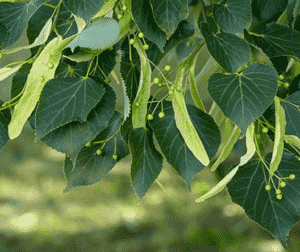
Tilia americana is a cold-tolerant tree capable of enduring harsh winter conditions.
2
Provide adequate irrigation to prevent root harm in the colder months.
3
Periodically check the tree for insects and illnesses, as winter often weakens trees.
Why Overwinter American basswood?
Why Overwinter American basswood?
Overwintering your American basswood is vital for its survival through the cold winter months. This practice safeguards the tree from harsh weather, minimizes root damage, and prepares it for robust growth in spring. By following simple steps, you can ensure your American basswood stays vibrant and strong all winter, ultimately extending its lifespan.
Preparing American basswood for Winter
Inspecting the Tree
The initial step in readying your American basswood for winter involves a thorough check. Look for any signs of damage or illness on the tree's trunk, branches, and foliage. Remove any diseased or dead parts to prevent further spread. Pay close attention to any bark cracks or splits, as these could worsen during winter's freeze-thaw cycles.
Pruning Requirements
Pruning your American basswood before winter is critical. Remove any dead or weak branches that might not support the weight of snow or ice. Pruning enhances air circulation and sunlight penetration, reducing the risk of fungal infections. Use clean, sharp tools for precise cuts, and consider consulting a professional arborist if uncertain about the process.
Watering Guidelines
Proper watering is crucial before winter arrives. Ensure your American basswood is well-hydrated to help it endure the dry winter air. Water the tree deeply, providing approximately 20-30 liters (5-8 gallons) of water per session. Aim to water during the day so the soil can absorb moisture before nighttime temperatures drop. Avoid overwatering, as it can cause root rot.
Checking for Pests and Diseases in Winter
Common Pests in Winter
While American basswood is generally resilient, it can still be vulnerable to certain pests during winter. Watch for signs of aphids, scales, and spider mites. These pests can weaken the tree by feeding on its sap. If you detect any infestations, use appropriate pest control methods like horticultural oils or insecticidal soaps. Winter is an ideal time to address these issues as pests are typically less active.
Disease Prevention
Disease prevention is simpler when your American basswood is healthy and well-maintained. Clear any fallen leaves and debris from around the tree's base to lower the risk of fungal infections. Ensure the tree is not waterlogged, as excessive moisture can lead to root diseases such as root rot. Regular inspections and prompt action can prevent minor issues from escalating into serious problems.



