How to Overwinter Lemon thyme
1
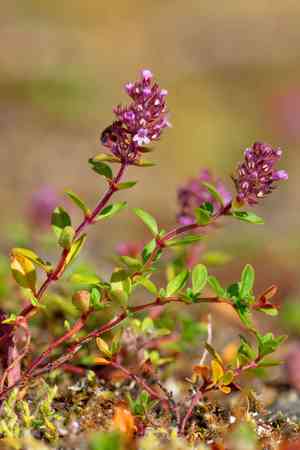
Lemon thyme, a resilient herb, tolerates minor freezes, making it appropriate for outdoor winter maintenance in temperate regions.
2
Begin winter preparations for Lemon thyme in late summer or early autumn to optimize its survival prospects.
3
Overwintering Lemon thyme indoors requires adequate illumination, ample moisture, and regulated irrigation.
Understanding Lemon thyme's Hardiness
Understanding Lemon thyme's Hardiness
Lemon thyme, recognized for its delightful citrus aroma, is a resilient herb belonging to the mint family. Originating from southern Europe, it frequently adorns both outdoor herb gardens and indoor kitchen windowsills. Rated as hardy, Lemon thyme can endure freezing temperatures to some extent, but severe winter conditions may pose a threat. This plant's capacity to survive winter varies based on regional climates. In USDA zones 5-9, Lemon thyme can remain outdoors year-round with appropriate preparations. Knowing the plant's hardiness will help you decide whether to choose indoor or outdoor overwintering.
Preparing Lemon thyme for Winter
When to Start Preparing
Begin preparing Lemon thyme for winter around late summer to early fall. This timing ensures the plant is robust and strong before the initial frost arrives. During this period, gradually reduce watering. This readies the plant for its dormant phase and decreases the likelihood of root rot.
Pruning and Trimming
As colder weather approaches, pruning Lemon thyme is crucial. Cut the stems back by approximately one-third. This not only aids the plant in conserving energy but also prevents long, spindly growth that can be susceptible to winter winds. Remove any dead or damaged foliage to maintain the plant's health.
Mulching Techniques
Mulching is a vital step in safeguarding outdoor Lemon thyme plants. Spread a thick layer of organic mulch, such as straw, leaves, or wood chips, around the plant's base. This 5-8 cm (2-3 inches) layer insulates the roots against temperature extremes and retains soil moisture. Be careful not to cover the plant's crown, as this can lead to rot.
Indoor Overwintering for Lemon thyme
Choosing the Right Pot
When bringing Lemon thyme indoors, select a pot with effective drainage. A 20-30 cm (8-12 inches) diameter pot should be sufficient for most Lemon thyme plants. Ensure the pot has drainage holes to prevent water from pooling and causing root rot.
Optimal Indoor Conditions
Lemon thyme requires ample light, so position it near a south-facing window where it can receive at least 6 hours of sunlight daily. If natural light is insufficient, consider using a grow light. Temperature regulation is also essential; keep your indoor space between 15-20°C (60-68°F). Additionally, maintaining moderate humidity helps prevent the plant from drying out.
Watering and Feeding Indoors
Indoor Lemon thyme needs less frequent watering than during its active growth season. Water the plant when the top 2-3 cm (1 inch) of soil feels dry. Overwatering can lead to root problems. Fertilizing can be reduced during winter, but a light feeding every few months with a balanced, water-soluble fertilizer can support healthy foliage.
Outdoor Overwintering Tips for Lemon thyme
Sheltering Techniques
For outdoor Lemon thyme, providing additional shelter can make a significant difference. Placing the plant near a wall or fence can offer protection from wind. Using row covers or cloches can shield the plant from harsh weather while allowing air circulation. These methods help maintain a slightly warmer microclimate around the plant.
Protecting from Extreme Temperatures
If you reside in an area prone to extreme cold, extra protection is necessary. Cover the plant with a frost blanket or burlap when temperatures drop below -6°C (20°F). Regularly inspect the plant for signs of stress and ensure mulch remains in place as it provides insulation for the roots.
Monitoring Lemon thyme through Winter
Spotting Signs of Stress
Throughout the winter, closely observe your Lemon thyme. Common indicators of stress include yellowing leaves, wilting, or mold. Detecting these symptoms early allows you to modify care routines before the plant declines.
Adjusting Care as Needed
Based on your observations, fine-tune your care strategies. For indoor plants, consider adjusting light exposure or humidity levels. For outdoor plants, reapply mulch or reposition protective covers as needed. Always be flexible and responsive to your plant's requirements to ensure it remains healthy through winter.



