How to Overwinter Japanese ternstroemia
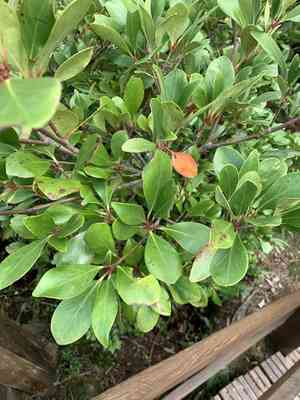
1
Japanese ternstroemia is a resilient plant, yet it still needs some safeguarding in harsh winter conditions.
2
Begin winter preparations for your Japanese ternstroemia a minimum of one month prior to the initial frost.
3
Shielding the Japanese ternstroemia overnight during intense frost can avert harm to the plant.
Grasping Japanese ternstroemia Resilience
Grasping Japanese ternstroemia Resilience
The Japanese ternstroemia is a robust and adaptable plant, recognized for its appealing foliage and its capacity to endure relatively low temperatures. Despite its hardiness, winter conditions, particularly in areas with severe frost, can still present difficulties. Understanding your plant's cold tolerance is the initial step to ensuring its survival and flourishing throughout the colder months.
Measures to Safeguard Japanese ternstroemia During Winter
Mulching the Base
Mulch serves as a vital shield against the cold. Applying a generous layer (approximately 5-10 cm or 2-4 inches) of organic material such as straw, wood chips, or pine needles around the base of your Japanese ternstroemia helps to insulate its root system. This protective layer not only retains moisture but also maintains a more consistent temperature around the root zone.
Pruning Techniques
Pruning your Japanese ternstroemia before winter is crucial for removing dead or diseased branches, which can become entry points for pests or diseases during the cold season. Ensure you use sharp, clean pruning shears to prevent plant damage. Focus on keeping the plant compact, which reduces the surface area exposed to cold winds and aids in retaining warmth.
Watering Schedule
As winter approaches, it's essential to adjust your watering routine. Water deeply before the ground freezes to ensure the plant is adequately hydrated, as dry soils freeze more rapidly and stress the roots. However, avoid excessive watering as this can lead to root rot, especially if the ground remains wet for extended periods.
Covering the Plant
During particularly cold nights, consider covering your Japanese ternstroemia with a frost cloth or burlap. This covering should be secured at the base but allow some air circulation, preventing moisture buildup which can lead to rot. Remember to remove the covering during the day to prevent the plant from overheating.
Common Overwintering Problems with Japanese ternstroemia
Frost Damage
Frost damage is a frequent concern, especially in regions where temperatures drop significantly at night. Signs of frost damage include brown or blackened leaves, stems that appear water-soaked, and an overall wilted appearance. Timely intervention with appropriate coverings can minimize this damage.
Pest Problems
Winter can introduce a different array of pest challenges. While the cold might reduce the number of active pests, some like spider mites and aphids can still pose a threat if they find shelter within the foliage. Regular inspection and maintaining good air circulation can help manage these pests.
Rot and Fungus
Excess moisture combined with cold temperatures can create an ideal environment for rot and fungal issues. Signs to watch for include discolored roots, mushy stems, and less vigorous growth. Ensuring good drainage and avoiding overwatering are key preventative measures.



