How to Overwinter Japanese yew
1
The Japanese yew exhibits remarkable resilience, commonly flourishing in USDA zones 4-7.
2
Applying mulch aids in safeguarding the Japanese yew's root structure against severe cold.
3
Employ burlap coverings to defend the Japanese yew from strong winter gusts.
Understanding Japanese yew and Its Hardiness
Understanding Japanese yew and Its Hardiness
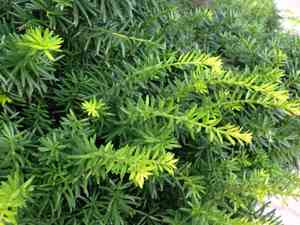
The Japanese yew is a sturdy, evergreen shrub or tree featuring dark green needles and red berries, adding a burst of color to winter landscapes. It flourishes in USDA zones 4-7, making it highly resistant to cold and capable of enduring harsh winters. Despite its resilience, certain measures are necessary to ensure it remains healthy and vibrant throughout the colder months.
Preparing Japanese yew for Winter
When to Start Preparation?
Initiate your preparations in late autumn, around October or early November, prior to the first frost. Early readiness ensures your Japanese yew has ample time to adapt before severe winter weather arrives.
Pruning and Tidying Up
Trim the Japanese yew in late autumn to remove any dead or compromised branches. Focus on neatening the plant by cutting back any overgrown sections, which helps reduce stress and susceptibility to winter damage. Ensure your pruning tools are clean and sharp to prevent disease spread.
Mulching and Soil Care
Apply a 5-8 cm (2-3 inches) layer of mulch around the base of the Japanese yew to insulate its roots and retain soil moisture. Organic mulches, such as wood chips or straw, are ideal. Ensure the mulch is not piled directly against the trunk to avoid rot and pest issues.
Winter Protection for Japanese yew
Using Burlap Wraps
Wrapping your Japanese yew in burlap helps shield it from strong winter winds and sunscald, which can dehydrate the needles. Secure the burlap wrap with twine or garden staples, ensuring it's snug but not too tight to impede natural growth.
Applying Anti-Desiccant
An anti-desiccant spray forms a protective layer over the foliage, reducing water loss and preventing winter burn. Apply the spray on a calm, dry day when temperatures are above freezing. Follow the manufacturer’s instructions for optimal results.
Monitoring Japanese yew During Winter
Inspecting for Frost Damage
Regularly check your Japanese yew for signs of frost damage, which may include browning or wilting needles. Early detection allows for prompt action, such as pruning away damaged areas to prevent further stress to the plant.
Watering Needs in Winter
While the Japanese yew requires less water during winter, it's crucial to maintain adequate soil moisture, especially during dry spells. Water the plant when the soil is dry to the touch, providing deep watering to saturate the root zone without causing waterlogging.
Pest Management
Winter can stress plants, making them more susceptible to pests. Inspect the Japanese yew for signs of pest infestation such as webbing, holes in needles, or unusual growths. Use horticultural oil or insecticidal soap to treat any infestations detected.
Reviving Japanese yew in Spring
Removing Winter Protection
As temperatures warm up in early spring, gradually remove burlap wraps and any other protective measures. Monitor weather forecasts to ensure that any late frosts do not damage the newly exposed yew.
Spring Pruning and Care
Conduct a thorough inspection and remove any winter-damaged branches. This is also an excellent time to shape the Japanese yew and encourage healthy new growth. Follow up with a balanced fertilizer application to provide essential nutrients for recovery and vigorous growth.



