How to Overwinter Pacific yew
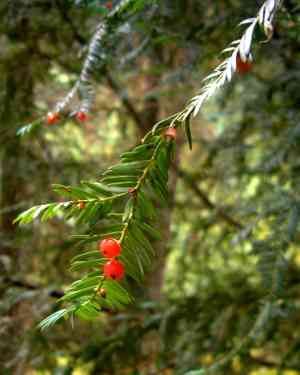
1
The Pacific yew tolerates cold well but thrives with added safeguarding in very frigid regions.
2
Applying mulch aids in preserving soil dampness and offers thermal shielding from low temperatures.
3
Periodically check your Pacific yew for indications of cold injury throughout the winter season.
Why Overwinter Pacific yew?
Why Overwinter Pacific yew?
The Pacific yew is a distinctive, easy-care evergreen known for its hardiness and attractive, dense foliage. While it tolerates cold, providing proper winter care ensures the plant stays healthy and vibrant. Overwintering helps safeguard your Pacific yew from extreme cold, frost heave, and dry winter winds, which can lead to dehydration and stress. By taking appropriate steps, you ensure your Pacific yew flourishes in spring, offering lush greenery and maintaining its visual appeal.
Preparing Pacific yew for Winter
Assessing Plant Health
Before winter arrives, evaluate your Pacific yew's overall condition. Look for indications of disease, pest infestations, or physical damage. A robust plant is better equipped to endure harsh winter conditions. If you discover any problems, address them promptly through appropriate treatment or by seeking advice from a local nursery.
Pruning Guidelines
Pruning is a vital step in readying your Pacific yew for winter. Remove any dead, damaged, or diseased branches to prevent them from becoming entry points for pests or illnesses. Additionally, thinning out some inner branches can enhance air circulation, reducing the risk of mold and mildew during wetter winter months. Always use clean, sharp pruning tools for precise cuts.
Mulching Techniques
Mulching is highly effective in protecting your Pacific yew during winter. Apply a 5-7 cm (2-3 inches) thick layer of organic mulch, such as wood chips or pine needles, around the plant's base. This layer helps retain soil moisture, insulates the roots from extreme temperature fluctuations, and can help prevent frost heave. Ensure the mulch does not directly touch the trunk to avoid rot.
Ideal Location for Overwintering
Optimal Outdoor Sites
Choosing the correct location for your Pacific yew during winter is essential. Ideally, select a spot that is shielded from strong winds and receives sufficient sunlight. If planted near structures like fences or buildings, they can offer some protection from the elements. Ensure the site has good drainage to prevent waterlogging, which can be detrimental during freeze-thaw cycles.
Using Containers
If your Pacific yew is in a container, consider moving it to a more protected spot, such as a garage or unheated greenhouse. Containers provide less insulation than the ground, so wrapping the pot with burlap or bubble wrap can offer additional warmth. Ensure the container allows for proper drainage to avoid root rot.
How to Protect Pacific yew from Extreme Cold
Frost Covers and Insulation
In areas with extreme cold, using frost covers can provide crucial protection for your Pacific yew. These covers trap heat and maintain a more stable temperature around the plant. Alternatively, you can use breathable fabrics like burlap to wrap the plant, ensuring the foliage remains dry, which reduces the risk of fungal infections.
Windbreaks
Creating windbreaks can shield your Pacific yew from harsh winter winds that can cause dehydration. Use fencing, hedges, or even temporary screens to create barriers around the plant. This will help maintain a more stable microenvironment and reduce the risk of windburn and moisture loss.
Watering and Feeding During Winter
Watering Schedule
Proper watering is crucial even during winter. Overly dry soil can stress the Pacific yew, so ensure the soil remains evenly moist, but not waterlogged. Watering in the morning allows excess moisture to evaporate during the day, reducing the risk of frost damage. Adjust your watering schedule based on the weather and soil conditions.
Winter Feeding Tips
Feeding your Pacific yew during winter should be done with caution. Too much fertilizer can promote new growth that is vulnerable to frost. If necessary, apply a slow-release, balanced fertilizer in late fall. This approach provides essential nutrients without stimulating excessive growth.
Signs of Distress and Solutions
Identifying Frost Damage
Monitor your Pacific yew for signs of frost damage, such as browning or blackening of leaves and branches. If you notice any damage, prune the affected areas carefully to prevent the spread of disease. Providing extra mulch and ensuring proper hydration can help the plant recover more swiftly.
Reviving a Stressed Plant
If your Pacific yew shows signs of stress, such as wilting or discoloration, take immediate action. Adjust watering practices, offer wind protection, and ensure mulch is adequately applied. In severe cases, consulting with a local gardening expert can provide tailored advice for recovery and future prevention.



