How to Overwinter Arrowhead plant
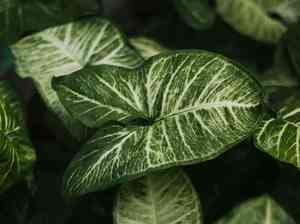
1
Arrowhead plant thrives in bright, indirect illumination but can endure dimmer light levels in colder months.
2
Keep indoor temperatures between 16°C and 24°C (60°F to 75°F) for best winter maintenance.
3
Periodically inspect for insects and illnesses, particularly when relocating the plant indoors for the winter season.
What Does Overwintering Mean for Arrowhead plant?
What Does Overwintering Mean for Arrowhead plant?
Overwintering refers to the process of preparing and caring for your Arrowhead plant during colder periods when outdoor conditions are not suitable for its growth. As a delicate plant, the Arrowhead plant cannot endure frost and needs indoor attention to survive the winter. This involves modifying its environment, watering, feeding, and addressing potential problems that may arise.
Preparing Your Arrowhead plant for Overwintering
Pruning Tips for Arrowhead plant
Trimming your Arrowhead plant before bringing it inside for winter is crucial. Cut back any leggy stems and remove dead or damaged foliage. This not only helps keep its size manageable but also promotes new, healthy growth when spring arrives.
Cleaning the Leaves
Clean the leaves of your Arrowhead plant to remove dust and debris, which can impede photosynthesis. Gently wipe each leaf with a damp cloth or give the plant a light shower. This will keep the leaves healthy and free from pests and diseases that might have accumulated during outdoor exposure.
Checking for Pests and Diseases
Thoroughly inspect your Arrowhead plant for any signs of pests or diseases before moving it indoors. Look for common pests such as spider mites, aphids, and mealybugs. If found, treat the plant with an appropriate insecticide or a natural solution like neem oil. This step is vital to prevent infestations from spreading inside.
Creating the Ideal Indoor Environment
Optimal Temperature for Arrowhead plant
The Arrowhead plant thrives in temperatures ranging from 16°C to 24°C (60°F to 75°F). Avoid placing the plant near cold drafts, radiators, or heaters. Consistent, moderate temperatures support its development and overall well-being during winter.
Maintaining Humidity Levels
Humidity is essential for the Arrowhead plant, especially during winter when indoor air tends to be dry. Aim to maintain humidity levels between 40-60%. You can achieve this by using a humidifier, placing a tray of water near the plant, or grouping plants together to create a more humid microclimate.
Light Requirements During Winter
While the Arrowhead plant prefers bright, indirect light, it can adapt to lower light conditions during winter. If natural light is insufficient, consider using grow lights to provide extra illumination. Ensure the plant receives at least 6 to 8 hours of light daily to help it remain healthy.
Watering and Feeding Your Arrowhead plant in Winter
Adjusting Watering Schedule
During winter, the Arrowhead plant requires less water than during its active growth season. Check the soil moisture regularly and only water when the top 2.5-5 cm (1-2 inches) of the soil feels dry. Overwatering can lead to root rot, so it's better to underwater and ensure proper drainage.
Fertilizing Needs
Fertilizing the Arrowhead plant in winter should be minimal. Reduce the frequency to once a month or even less. Use a balanced, water-soluble fertilizer at half strength to provide essential nutrients without encouraging excessive growth.
Common Issues and How to Resolve Them
Leaf Drop and Yellowing
Leaf drop and yellowing can occur due to excessive watering, insufficient light, or sudden temperature fluctuations. If you observe these symptoms, adjust your watering practices, ensure the plant receives adequate light, and maintain a stable temperature. Prune the affected leaves to aid the plant's recovery.
Dealing with Dry Air and Brown Tips
Dry indoor air often causes leaf tips to turn brown. Increase humidity around your Arrowhead plant using a humidifier or pebble tray. Regular misting can also help. Ensure you are not over-fertilizing, as nutrient accumulation can cause similar symptoms.



