How to Overwinter Eastern skunk cabbage
1
Eastern skunk cabbage tolerates cold well, enduring temperatures as low as -30°C (-22°F).
2
Effective mulching and soil conditioning are crucial for safeguarding Eastern skunk cabbage over winter.
3
Even with its hardiness, ensuring adequate hydration and managing pests is essential for Eastern skunk cabbage's winter well-being.
Understanding Eastern skunk cabbage Winter Needs
Understanding Eastern skunk cabbage Winter Needs
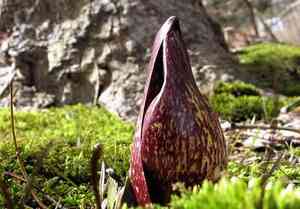
Eastern skunk cabbage (Symplocarpus foetidus) is a captivating flora recognized for its capacity to emit a pungent, skunk-like aroma. This species is cold-hardy, meaning it can effortlessly endure severe winters. Indigenous to marshy areas, Eastern skunk cabbage flourishes in environments with abundant water. Despite its robust nature, certain care practices can help guarantee your Eastern skunk cabbage remains healthy throughout the colder months.
Preparing Eastern skunk cabbage for Winter
Mulching Techniques
Mulching is vital for safeguarding Eastern skunk cabbage during harsh winters. Apply a substantial layer of organic mulch, such as straw, leaves, or wood chips, around the plant's base. This insulates the soil, keeping it warmer and retaining moisture. Apply the mulch in late autumn, just before the initial frost. Aim for a mulch layer of approximately 5-10 cm (2-4 inches) to provide adequate protection against freezing temperatures.
Soil Preparation
Ensuring the soil is properly prepared is critical for the winter health of Eastern skunk cabbage. This plant prefers damp, well-drained, and slightly acidic soil. Before winter arrives, amend the soil with organic matter like compost or peat moss to enhance its structure and drainage. Avoid excessive manuring, as it can harm the plant's roots. Proper soil preparation not only protects the plant during winter but also encourages vigorous growth in the spring.
Watering Tips Before Frost
While Eastern skunk cabbage naturally thrives in wet conditions, it's important to ensure it has sufficient water before the ground freezes. However, avoid waterlogging, as frozen water can damage the roots. Water the plant deeply about a week before the first anticipated frost, providing approximately 2.5 cm (1 inch) of water. This helps the plant transition into dormancy with adequate moisture, reducing the risk of winter desiccation.
Maintaining Eastern skunk cabbage Health During Winter
Monitoring Moisture Levels
Even during winter, monitoring moisture levels is crucial for maintaining the health of Eastern skunk cabbage. Check the soil regularly to ensure it remains moist but not saturated. If the winter is dry, occasionally water the plant, but avoid doing so when the temperature is below freezing. Watering once every few weeks is usually sufficient. Keeping the soil at the correct moisture level prevents winter drought stress, which can harm the plant.
Pest and Disease Control
Although Eastern skunk cabbage is generally resilient, it's not immune to pests and diseases, even in winter. Keep an eye out for common pests such as slugs and snails that can cause damage. If you notice any, use natural pest control methods such as diatomaceous earth or organic slug pellets. Regularly inspect the plant for signs of disease such as mold or rot and remove any affected parts immediately. Applying a gentle fungicide can also help prevent disease spread.



