How to Overwinter Coralberry
1
Applying mulch insulates Coralberry roots and conserves moisture in colder periods.
2
Trimming prior to frost prevents harm and encourages more robust spring growth.
3
Burlap coverings shield Coralberry from severe frost and wind damage.
Is Coralberry Hardy During Winter?
Is Coralberry Hardy During Winter?
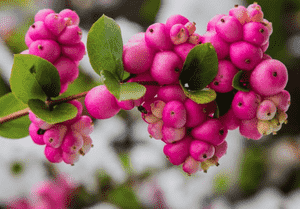
The Coralberry (Symphoricarpos orbiculatus) is a deciduous shrub recognized for its durability throughout the winter season. Originating from North America, this robust plant can endure low temperatures, making it a dependable option for outdoor landscapes in areas experiencing cold winters. Its capacity to withstand frost means that with appropriate care, your Coralberry can flourish even when temperatures drop considerably.
Preparing Coralberry for Winter
Pruning Coralberry Before Frost
Pruning is a crucial step in getting your Coralberry ready for winter. By trimming the shrubs in late autumn, you decrease the chance of harm from snow and ice accumulation. Aim to remove any dead or diseased branches, as well as any excessively long shoots. This not only helps maintain the plant's form but also encourages healthier growth in the spring. Be sure to sanitize your pruning tools to prevent the spread of diseases.
Mulching Techniques
Mulching is essential for safeguarding the roots of your Coralberry during the winter. Apply a layer of mulch, such as straw, wood chips, or shredded leaves, around the plant's base. A depth of 5-10 cm (2-4 inches) is generally adequate to provide insulation and retain moisture. Be careful not to pile the mulch directly against the stem to avoid rot. This protective layer helps regulate soil temperature and lessens the risk of frost heaving.
Watering Instructions in Late Fall
Proper watering is vital as the season transitions into winter. In late autumn, water your Coralberry deeply to ensure the roots are well-hydrated, as plants lose moisture even in cold weather. However, be careful not to over-water, as waterlogged soil can lead to root rot. A thorough soaking right before the first hard frost - about 2.5 cm (1 inch) of water - is typically ideal to keep your Coralberry hydrated through the winter months.
How to Protect Coralberry from Extreme Frost
Using Burlap Wraps
Burlap wraps are an excellent method to shield your Coralberry from severe frost conditions. Encase the shrub with burlap, securing it with twine. This technique acts as a barrier against harsh winds and helps to trap heat, keeping the plant warmer. Ensure the wrap is breathable to prevent moisture buildup inside, which can lead to rot or fungal issues.
Implementing Windbreaks
Wind can be particularly damaging during the winter months. Erecting windbreaks, such as a temporary fence or planting evergreen shrubs, can help protect your Coralberry from cold, drying winds. Position the windbreak on the side of the prevailing winter wind to create a microclimate. This helps to reduce the wind's speed and provides a more stable and warmer environment for your Coralberry.
Common Winter Care Issues and Solutions
Identifying and Preventing Frost Damage
Frost damage can inflict significant harm on your Coralberry. Look for indicators such as browning or blackening of leaves and stems. To prevent frost damage, ensure your plant is properly mulched and consider using burlap wraps during periods of extreme cold. Also, avoid fertilizing late in the season to prevent new growth that is more vulnerable to frost.
Managing Overwintering Pests
Some pests overwinter in the soil or on the plant itself, such as spider mites and aphids. To manage these, clear away any fallen leaves and debris around the base of your Coralberry, as they can harbor pests. Additionally, consider applying dormant oil sprays to the branches to eliminate overwintering insects and eggs. These measures can significantly reduce pest populations come spring.



