How to Overwinter West indian mahogany
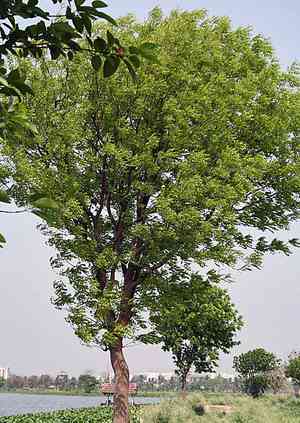
1
West indian mahogany is susceptible to frost and requires particular attention in colder seasons.
2
The optimal indoor temperature range for West indian mahogany is from 18°C to 24°C (65°F to 75°F).
3
Steady humidity and ample light are vital for keeping West indian mahogany healthy indoors.
The Importance of Overwintering West indian mahogany
The Importance of Overwintering West indian mahogany
Overwintering West indian mahogany is vital for its survival in areas with cold winters. Given its susceptibility to frost, the plant cannot endure temperatures below freezing. By relocating it indoors during colder months, you can safeguard it from frost damage, ensuring its well-being and longevity. This detailed guide offers practical advice for successfully overwintering your cherished West indian mahogany.
Understanding West indian mahogany's Frost Sensitivity
Frost's Effect on West indian mahogany
Frost can severely impact West indian mahogany. When exposed to freezing temperatures, water within the plant's cells can freeze, causing cell walls to rupture. This leads to wilting, tissue damage, and potentially the plant's demise. Recognizing this frost sensitivity underscores the necessity of proactive indoor overwintering measures.
Indicators of Frost Damage
Identifying frost damage signs can help you act quickly to save your West indian mahogany. Look for symptoms like blackened or browned leaves, soft and mushy stems, and general wilting. If these signs appear, it's crucial to move your plant indoors and provide the necessary care for its recovery.
Preparing West indian mahogany for Indoor Relocation
Choosing the Right Container
Before moving your West indian mahogany indoors, select a container large enough for its root system and with adequate drainage. A pot with drainage holes is essential to prevent waterlogging, which can cause root rot. Ensure the container is robust enough to support the plant's growth through winter.
Essential Pruning Steps
Pruning is a critical step in readying your plant for indoor life. Trim off any dead or damaged branches, and consider shaping the plant to fit comfortably in its new indoor spot. Pruning not only enhances the plant's appearance but also encourages healthy growth by directing energy to the remaining branches.
Soil and Nutrient Requirements
When repotting your West indian mahogany, use a well-draining potting mix. This soil type helps prevent water accumulation that can harm the roots. Additionally, reduce fertilization frequency during winter, as the plant's growth slows. A balanced, slow-release fertilizer applied sparingly can provide needed nutrients without overwhelming the plant.
Optimal Indoor Conditions for West indian mahogany
Ideal Temperature
West indian mahogany thrives in temperatures between 18°C and 24°C (65°F to 75°F). Maintaining this temperature range is vital for the plant's winter health. Avoid placing the plant near drafty windows or heating vents, as sudden temperature shifts can stress it.
Humidity Needs
Consistent humidity levels are crucial for West indian mahogany during winter. Aim for about 50% to 60% humidity. You can use a humidifier or place a water tray near the plant to boost humidity. Misting the leaves occasionally can also help maintain the desired humidity.
Lighting and Placement
Provide your plant with ample sunlight by positioning it near a south-facing window. West indian mahogany prefers bright, indirect light. If natural light is insufficient, supplement with grow lights to ensure the plant receives approximately 6 to 8 hours of light daily. Rotate the plant regularly for even growth on all sides.
Watering and Upkeep
Watering Frequency
Adjust your watering schedule based on the indoor environment. Allow the topsoil to dry slightly between waterings to prevent overwatering. During winter, the plant's water needs decrease, so be careful not to water too often. Check soil moisture regularly and adjust as needed.
Pest and Disease Monitoring
Indoor conditions can sometimes lead to pest infestations or diseases. Regularly inspect your West indian mahogany for common pests like spider mites or aphids. If pests are found, treat them promptly with insecticidal soap or neem oil. Good air circulation can also help prevent fungal infections.
Regular Checks and Adjustments
Make it a routine to inspect your plant weekly for any signs of stress or problems. Examine the leaves, stems, and soil to ensure everything is in order. Adjust the care routine as necessary to address any specific concerns your West indian mahogany might have during its indoor stay.
When and How to Move West indian mahogany Back Outdoors
Timing for Outdoor Relocation
As spring approaches and the frost risk lessens, it's time to consider moving your West indian mahogany back outdoors. Wait until daytime temperatures consistently remain above 10°C (50°F) before relocating the plant. This prevents the plant from being shocked by sudden temperature changes.
Gradual Acclimatization Process
Gradually acclimate your plant to outdoor conditions over one to two weeks. Begin by placing it in a sheltered, shaded area for a few hours daily, progressively increasing its exposure to sunlight and outdoor elements. This gradual process helps prevent shock and allows the plant to adapt to its new environment.
Post-Transition Care
Once the West indian mahogany is permanently outdoors, continue to monitor its progress. Provide appropriate watering, sunlight, and care to ensure a smooth transition. Watch for any signs of stress or pest infestations and address them promptly to maintain the plant's health.



