How to Overwinter Japanese pagoda tree
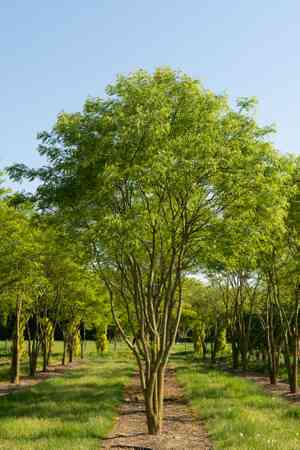
1
The Japanese pagoda tree is resilient and thrives in USDA zones 4-8.
2
Applying mulch can shield the tree's root system from cold temperatures.
3
Trimming in late autumn minimizes the chance of winter harm from snow and ice.
What Does 'Overwinter' Mean for Japanese pagoda tree?
What Does 'Overwinter' Mean for Japanese pagoda tree?
Overwintering refers to the techniques and practices employed to help plants endure the colder months. For the Japanese pagoda tree, this involves specific actions beginning in late autumn and continuing through winter to ensure its health and vigor. Effective overwintering can shield the tree from frost damage, pests, and diseases, preparing it for strong spring growth.
Assessing Winter Hardiness of the Japanese pagoda tree
Understanding Frost Hardiness
The Japanese pagoda tree is considered frost-tolerant, meaning it can withstand freezing temperatures to a certain degree. However, young trees or those in particularly harsh climates might still require some protection. Frost hardiness indicates the tree's capacity to resist frost damage, which is vital for its survival during cold winter periods.
USDA Hardiness Zones
Understanding the USDA Hardiness Zones can assist in determining if your climate is suitable for the Japanese pagoda tree. This tree thrives in USDA zones 4-8, which encompass many regions in the United States. Knowing your zone can help you implement the best overwintering strategies to safeguard your tree from extreme weather conditions.
How to Prepare the Japanese pagoda tree for Winter?
Timing the Preparations
Preparation for overwintering should commence in late autumn, prior to the first frost. This allows you to ready your Japanese pagoda tree for the dropping temperatures. Early preparation can involve checking the tree for any indications of disease or pest infestations and addressing them promptly.
Pruning Essentials
Pruning is a crucial step in preparing your Japanese pagoda tree for winter. Remove any dead or weak branches as they are susceptible to damage from snow and ice. This aids in reducing the overall weight and preventing potential breakage. Be careful to avoid heavy pruning, which can stress the tree.
Mulching and Soil Management
Applying a thick layer of mulch around the base of the Japanese pagoda tree can shield the roots from freezing temperatures. Mulching materials such as straw, shredded leaves, or wood chips are effective. This mulch acts as an insulating layer, maintaining stable soil temperature and protecting the delicate root system.
What are Common Winter Pests and Diseases?
Identifying Potential Issues
During winter, the Japanese pagoda tree may be vulnerable to pests such as spider mites and scale. These pests can cause damage by feeding on the sap and weakening the tree. Regular inspection for any signs of infestation is essential to address issues promptly.
Preventative Measures
To prevent pests and diseases, ensure your tree is healthy before winter arrives. Applying dormant oil spray can help in controlling overwintering insect pests. Additionally, maintaining good hygiene by removing fallen leaves and debris can reduce the risk of fungal diseases.
Treatment Options
If pests or diseases are identified, treatment should be swift. Insecticidal soaps and horticultural oils can help manage pest infestations. For diseases, removing affected leaves and applying appropriate fungicides can protect the tree.
Post-Winter Care for the Japanese pagoda tree
Assessing Winter Damage
Once the winter has concluded, inspect your Japanese pagoda tree for any signs of damage. Look for broken branches, frost damage, or signs of disease. Early detection of any issues can allow for timely corrective actions to be taken.
Spring Pruning
In early spring, prune any branches that were damaged during the winter. This promotes healthy growth and prevents the spread of disease. Pruning also encourages new growth, helping the tree to recover from the winter dormancy.
Resuming Regular Watering and Feeding
As the temperatures rise, gradually resume regular watering and feeding schedules. This ensures that the Japanese pagoda tree receives the necessary nutrients for robust growth. Use a balanced fertilizer to support its springtime rejuvenation.



