How to Overwinter Buffalo grass
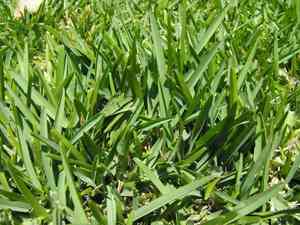
1
Buffalo grass tolerates frost well and endures lower temperatures more effectively than numerous other warm-season grasses.
2
Lowering the mowing height progressively before winter assists Buffalo grass in entering dormancy correctly.
3
Provide adequate drainage to avoid saturated soil, which may cause fungal issues in winter.
What Does Overwintering Buffalo grass Entail?
What Does Overwintering Buffalo grass Entail?
Overwintering Buffalo grass means getting the grass ready for cold weather, ensuring it stays healthy and suffers minimal harm during the winter. This process mainly involves specific care methods to help the grass enter dormancy efficiently, maintain it through the cold, and revive it when spring arrives. By following these steps, you can guarantee your Buffalo grass lawn remains vibrant and green when warmer months return.
Preparing Buffalo grass for Winter
When to Start Preparing
The ideal time to begin preparing Buffalo grass for winter is in mid to late autumn, approximately October to November, depending on your local climate. As daytime temperatures consistently fall below 24°C (75°F) and nighttime temperatures approach freezing, it's time to act.
Essential Tools and Materials
To properly prepare Buffalo grass for winter, you'll need some crucial tools and supplies, including: A lawnmower with adjustable cutting heights A rake for clearing debris Organic mulch or straw for covering the grass A winterizing fertilizer rich in potassium A garden hose or watering can
Winter Maintenance for Buffalo grass
Watering Needs During Winter
During winter, Buffalo grass requires minimal irrigation. Generally, watering once every three to four weeks is sufficient, especially if there's little rainfall. Ensure the soil isn't too dry but avoid overwatering, as waterlogged soil can lead to root rot.
Fertilizing Buffalo grass in Colder Months
Applying a winterizing fertilizer before the first frost will help keep Buffalo grass healthy. Choose a fertilizer high in potassium, as this nutrient strengthens the grass and improves its frost resistance. Spread the fertilizer evenly according to the recommended rate, typically 0.5 to 1 kg per 93 square meters (1 to 2 lbs per 1000 square feet).
Mowing Tips for Winter
Gradually lower your mowing height in the weeks leading up to winter. Reduce the height by no more than 0.5 cm (0.2 in) each week until you reach a height of about 3 to 4 cm (1.2 to 1.6 inches). This allows the grass to go dormant properly without excessive stress.
Common Issues and Solutions During Winter
Identifying Frost Damage
Frost damage can cause Buffalo grass to turn brown or even black. To identify frost damage, look for discolored patches that may appear after a heavy frost. It's important to allow the grass time to recover naturally if the damage is mild. Avoid mowing or fertilizing damaged areas until new growth begins in the spring.
Pest Problems and Treatments
While pests are less active in winter, they can still pose a problem. Common pests like grubs and lawn larvae can be managed by applying a winter pest control treatment. Ensure you read and follow the specific guidelines for application to avoid harming the grass.
How to Handle Snow Cover
Snow can insulate Buffalo grass, protecting it from extreme cold. However, heavy, persistent snow cover can lead to fungal problems. To handle snow cover: Use a rake to lightly fluff up the grass after snow melts to improve airflow. Avoid walking on the grass when it's covered in snow to prevent compaction. Ensure proper drainage to prevent water from pooling as the snow melts.
Spring Care After Winter Dormancy
Reviving Buffalo grass Post-Winter
Reviving Buffalo grass after winter dormancy involves several steps: Rake the lawn to remove dead grass and debris. Water the lawn deeply to encourage new growth. Begin regular mowing once the grass starts growing actively.
First Fertilization and Watering
In early spring, apply a balanced fertilizer to provide essential nutrients for growth. Water the lawn thoroughly after fertilizing to help the nutrients penetrate the soil. Monitor the soil moisture and water as needed to keep it evenly moist but not waterlogged.
Dealing with Any Winter Damage
Inspect the lawn for any areas that suffered winter damage. Repair bare or thin patches by reseeding or laying sod. Continue with regular lawn care practices like mowing, watering, and fertilizing to help the grass recover fully.



