How to Overwinter Baby's breath spirea
1
Baby's breath spirea tolerates cold well, making it ideal for outdoor planting in chillier regions.
2
Applying mulch around the base of Baby's breath spirea helps stabilize ground temperature and safeguards roots in winter.
3
Baby's breath spirea can thrive in pots and be brought inside for extra winter protection.
What is Baby's breath spirea?
What is Baby's breath spirea?
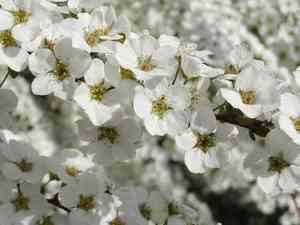
The Baby's breath spirea is a charming deciduous shrub recognized for its profuse, delicate white blossoms and airy foliage. This plant typically flowers in early spring, creating a beautiful display in your garden. Hailing from East Asia, Baby's breath spirea is favored by gardeners due to its simple care and aesthetic appeal. The shrub can reach a height and width of approximately 1.5 meters (5 feet), making it an excellent option for borders, hedges, or as a standalone feature.
How to Overwinter Baby's breath spirea Outdoors
Preparing the Plant Bed
Prior to winter's arrival, it's essential to prepare the planting area for your Baby's breath spirea. Begin by clearing any weeds and debris from around the plant's base. This tidying helps prevent pests and diseases that might seek shelter in the detritus during colder months.
Mulching the Base
Applying mulch is an effective method to shield the roots from freezing temperatures. Spread a layer of organic mulch, such as straw, leaves, or bark, around the plant's base, extending to about 5-10 centimeters (2-4 inches) thick. This mulch layer acts as an insulating cover, helping to regulate soil temperature and moisture levels.
Pruning Guidelines
Pruning Baby's breath spirea can aid its winter survival. Remove any dead or diseased branches to prevent the spread of pathogens. It's also advisable to trim back overgrown branches to maintain the plant's form and improve air circulation, which can lessen the risk of fungal infections.
Watering Tips
Even as the plant enters dormancy, Baby's breath spirea still requires water. Thoroughly water the shrub before the ground freezes to ensure it has adequate moisture to endure through winter. However, avoid waterlogging, as excessively wet soil can lead to root rot.
How to Protect Baby's breath spirea in Containers
Choosing the Right Container
When cultivating Baby's breath spirea in pots, select a container large enough to accommodate the plant's root system while allowing space for growth. Ensure the pot has good drainage to prevent waterlogging, which can be harmful in cold weather.
Insulating the Container
Insulate your container to safeguard the roots from freezing temperatures. Wrap the pot in bubble wrap or burlap, and place it on a piece of styrofoam or wood to keep it off the cold ground. This added insulation can significantly help in maintaining a more consistent temperature for the roots.
Positioning for Protection
Place the container in a sheltered spot to shield it from harsh winds and frost. Positioning the pot against a south-facing wall can provide some extra warmth and protection. If severe frost is predicted, consider temporarily moving the container into a garage or shed.
Can Baby's breath spirea Overwinter Indoors?
Necessary Indoor Conditions
Overwintering Baby's breath spirea indoors is feasible, provided you can somewhat replicate the plant's outdoor environment. Place the plant in a cool room with ample natural light. Maintain the indoor temperature between 5-15°C (41-59°F) to ensure the plant remains dormant but does not freeze.
Transplanting from Outdoors to Indoors
When relocating your Baby's breath spirea indoors, do so gradually to help the plant adapt to the environmental change. Start by bringing the plant inside at night and then progressively increasing the duration it stays indoors. Ensure the plant's watering needs are met, but be careful not to overwater.



