How to Overwinter Chinese wedelia
1
Chinese wedelia is sensitive to cold, indicating it cannot endure freezing conditions.
2
Bringing Chinese wedelia inside for winter guarantees its survival and re-flowering in spring.
3
Frequent pest checks help avoid outbreaks often affecting houseplants over winter.
What is Chinese wedelia and Why Overwinter It?
What is Chinese wedelia and Why Overwinter It?
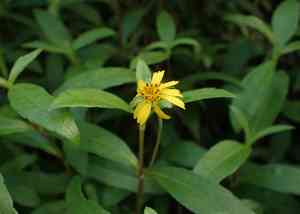
The Chinese wedelia, scientifically known as Sphagneticola calendulacea, is a vibrant, evergreen groundcover plant prized for its bright yellow flowers and lush green foliage. Originating from tropical and subtropical regions, this plant flourishes in warm climates but struggles when exposed to frost. Ensuring your Chinese wedelia survives the cold months involves bringing it indoors and attending to its specific requirements. Overwintering this plant can help maintain its beauty and health, anticipating a strong revival in the spring.
Preparing Chinese wedelia for Overwintering
When to Start Preparing
Begin preparations for overwintering Chinese wedelia before the first frost arrives. Typically, late autumn is an ideal period to commence this process. For U.S. gardeners, this often means around October or early November. Your objective is to allow the plant ample time to adapt to its new indoor setting before the outside temperature drops too low.
Cleaning and Pruning
Start by giving your Chinese wedelia a thorough clean-up. Remove any dead or damaged leaves and stems. A gentle trim can help the plant direct its energy to healthy parts. Be careful not to over-prune; cutting back about one-third of the foliage should be sufficient. This step reduces potential hiding spots for pests and ensures your plant doesn't expend energy on nonviable sections.
Pest Inspection and Management
Examine your Chinese wedelia closely for indications of pests. Look under leaves and along stems for aphids, spider mites, and mealybugs. Eliminating any pests you discover is vital before bringing the plant indoors, as they can rapidly spread to other plants. Using a mild insecticidal soap or neem oil can effectively manage any infestations.
Indoor Overwintering Steps for Chinese wedelia
Selecting the Right Spot
Choosing the appropriate indoor location is crucial for successfully overwintering Chinese wedelia. The spot should receive ample bright, indirect light, such as a south-facing window. Avoid direct sunlight, which can scorch the leaves, and cold drafts from frequently opened and closed windows or doors.
Adjusting Light and Temperature
Maintaining a consistent temperature is essential. Aim for a range between 15-24°C (59-75°F), avoiding sudden temperature fluctuations. If natural light is insufficient, consider using a grow light to supplement its lighting needs. Position the grow light approximately 30-45 cm (12-18 inches) above the plant, operating it for about 12-14 hours daily.
Watering and Humidity Control
Watering requirements change during the colder months. Allow the top 2.5 cm (1 inch) of soil to dry out between waterings. Overwatering can lead to root rot, a common indoor plant issue. Also, maintain humidity levels around 40-50%. Utilizing a humidity tray or a small humidifier can assist, especially if your indoor environment is particularly dry.
Fertilizing During Winter
Fertilization should be minimal during winter. Chinese wedelia growth slows down in winter, reducing its nutrient demands. Apply a balanced, water-soluble fertilizer at half strength once a month to keep the plant healthy. Over-fertilizing can result in salt buildup in the soil, which can harm the roots and foliage.
Common Problems During Overwintering
Yellowing Leaves
Yellowing leaves can indicate various issues, including overwatering, insufficient light, or nutrient deficiencies. Ensure proper watering and adequate light. If yellowing persists, check the soil for drainage problems and consider a mild fertilization regimen to correct nutrient imbalances.
Fungal Diseases
Indoor environments can sometimes foster fungal diseases due to elevated humidity levels. Ensure good air circulation around the plant and avoid overwatering. If you observe mold or mildew, treat it with a fungicidal spray and remove affected leaves to prevent its spread.
Pest Infestations
Pests like aphids, spider mites, and mealybugs can become an indoor problem. Regularly inspect your plant to detect any infestations early. Use insecticidal soap or neem oil to manage any outbreaks, and maintain a clean growing environment to minimize the risk.
Transferring Chinese wedelia Back Outdoors
Timing the Transition
Wait until the danger of frost has passed before relocating your Chinese wedelia back outdoors. Typically, this occurs in late spring. Gradually acclimate the plant to its outdoor environment to prevent shock from abrupt changes in temperature and light.
Gradual Acclimatization
Begin by placing the plant outdoors in a shaded area for a few hours each day, progressively increasing the time and light exposure over one to two weeks. This process, known as hardening off, helps the plant adjust and strengthens its resilience.
Inspecting for Pests and Diseases
Before permanently moving your plant outdoors, give it a thorough inspection for any signs of pests or diseases that might have developed indoors. Address any issues promptly to ensure your Chinese wedelia thrives once back in its preferred outdoor habitat.



