How to Overwinter African tulip tree
1
The African tulip tree is intolerant of temperatures falling below 0°C (32°F).
2
When relocating your African tulip tree indoors, provide it with ample, diffused light.
3
Prior to moving your tree indoors, inspect for common pests such as aphids and spider mites.
Understanding the African tulip tree's Sensitivity to Frost
Understanding the African tulip tree's Sensitivity to Frost
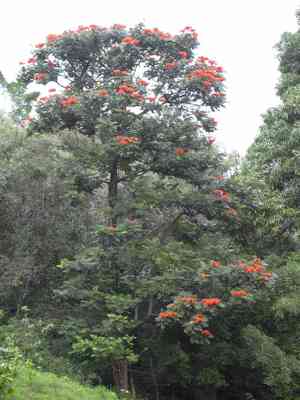
The African tulip tree, known for its vibrant orange-red flowers and lush green foliage, is a tropical beauty. However, it is tender and sensitive to frost. Temperatures below 0°C (32°F) can cause severe damage or even kill the tree. Understanding this sensitivity is crucial to ensuring your tree survives the winter months. The best strategy for protecting your African tulip tree during colder weather is by bringing it indoors and providing suitable conditions that mimic its natural environment.
Preparing Your African tulip tree for Winter Indoors
Inspecting for Pests Before Bringing Indoors
Before you move your African tulip tree inside, it's important to check for pests. Common pests include aphids, spider mites, and scale insects. Take a close look at the leaves, stems, and soil. If you find any unwanted guests, use an appropriate insecticidal soap or neem oil to treat the tree. Avoid bringing pests indoors where they can potentially spread to other houseplants.
Pruning and Cleaning the Tree
Pruning your tree before bringing it indoors helps manage its size and maintains its health. Remove any dead or damaged branches, and trim back excessive growth. Additionally, a thorough cleaning of the leaves with a damp cloth helps remove dust and potential pests. This not only improves photosynthesis but also makes the tree less appealing to pests.
Choosing the Right Indoor Location
Selecting the right location for your African tulip tree indoors is crucial. Choose a spot where the tree can get bright, indirect sunlight â a south-facing window is usually ideal. Ensure the area is free from drafts and sudden temperature changes, which can stress the tree. If natural light is insufficient, consider using a grow light to supplement.
Indoor Care Tips for the African tulip tree During Winter
Monitoring Temperature and Humidity Levels
Maintaining appropriate temperature and humidity levels is vital for the wellbeing of your African tulip tree. Keep indoor temperatures between 18-24°C (65-75°F). Humidity should be kept moderate to high; use a room humidifier or place a water tray near the tree to maintain humidity levels around 50-60%.
Watering Requirements
During winter, you should reduce watering but not allow the soil to dry out completely. Check the top 2-3 centimeters (1 inch) of soil; if it feels dry to the touch, it's time to water. Overwatering can lead to root rot, so ensure the pot has good drainage.
Ensuring Adequate Light Exposure
Light is vital for the health of your African tulip tree. Ensure it gets at least 6-8 hours of bright, indirect light daily. If natural light is insufficient, use artificial grow lights to supplement. Rotate the tree periodically to ensure even light distribution on all sides.
Common Problems and Solutions During Winter
Dealing with Leaf Drop
If your African tulip tree starts dropping leaves, it might be a reaction to the change in environment. Ensure it's not exposed to drafts or rapid temperature changes. Adjust watering practices and check for pests. If the problem persists, consult with a local horticulturist.
Preventing Root Rot
Root rot is a common issue with overwatered plants. To prevent it, ensure the pot has drainage holes and avoid letting water sit in the saucer. Use well-draining soil and only water when the topsoil is dry. If you suspect root rot, inspect the roots and prune any that are brown or mushy.
Addressing Pest Infestations
Indoor environments can still harbor pests. Regularly inspect your tree for pests like spider mites or aphids. Use insecticidal soap or neem oil as a first line of defense. For severe infestations, consider isolating the affected plant and seeking advice from a horticulturist.
Transitioning Your African tulip tree Back Outdoors
Gradual Reintroduction to Outdoor Conditions
As temperatures rise and frost danger passes, gradually reintroduce your African tulip tree to the outdoors. Start by placing it in a shaded area for a few hours each day, gradually increasing exposure to sunlight over 1-2 weeks. This helps the tree acclimate without shock.
Monitoring for Stress Signs
During the transition, closely monitor your tree for signs of stress, such as wilting or yellowing leaves. Adjust its outdoor exposure accordingly, and ensure it's protected from harsh winds and direct scorching sunlight. Proper acclimatization ensures a healthier and vibrant plant.



