How to Overwinter European mountain-ash
1
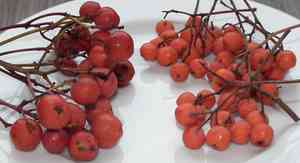
The European mountain-ash is recognized for its vibrant red fruits, which serve as a winter food source for avian species.
2
This tree tolerates temperatures down to -40°C (-40°F), making it well-suited for severe winter conditions.
3
To prepare European mountain-ash for winter, tasks involve trimming, applying mulch, and appropriate irrigation.
What Makes European mountain-ash Frost Hardy?
What Makes European mountain-ash Frost Hardy?
The European mountain-ash (Sorbus aucuparia) is well-known for its impressive ability to withstand frost. Originating from colder parts of Europe and Asia, this tree has developed mechanisms to endure freezing temperatures. A key factor is its dormant phase. During this period, the tree slows down its metabolic activities, conserving energy and minimizing frost-related harm. Furthermore, the cell walls of European mountain-ash become more pliable in cold conditions, preventing them from cracking under pressure. This adaptability is further enhanced by a thick bark that insulates against extreme cold.
Preparing European mountain-ash for Winter
Inspect and Prune
Before winter arrives, it's crucial to check your European mountain-ash for any dead or diseased limbs. Removing these branches can prevent disease spread and reduce the tree's energy use during colder months. Use clean, sharp pruning tools for smooth cuts, promoting quicker recovery. Always prune on a dry day to lessen the risk of fungal infections.
Mulching Techniques
Mulch is your tree's best ally during winter. Apply a layer of organic mulch, approximately 5-8 cm (2-3 inches) deep, around the tree's base. This helps maintain soil moisture, regulates temperature, and decreases the chance of frost heaving the soil. Be sure to keep the mulch a few centimeters away from the trunk to prevent rot.
Watering Guidelines
Adequate watering before winter is vital for the European mountain-ash. Ensure the soil is thoroughly hydrated as the cold season approaches. Water deeply in late autumn, providing about 2.5 cm (1 inch) of water weekly if rainfall is insufficient. This deep watering helps the roots absorb enough moisture to sustain the tree through winter dormancy.
Protecting Young and Vulnerable European mountain-ash Trees
Frost Covers and Shields
Young European mountain-ash trees are more vulnerable to frost damage. Utilizing frost covers or shields can provide the additional layer of protection they require. Wrap the tree in burlap or use specially designed frost blankets. Ensure the covering is secure but loose enough to allow some air circulation to prevent mold growth.
Sheltered Locations
Plant young European mountain-ash trees in protected spots, such as near buildings or other larger trees, which can offer defense from the harshest winds and create a microclimate that is slightly warmer than exposed areas. This strategic placement can significantly improve the young tree's chances of surviving winter.
Common Overwintering Problems in European mountain-ash
Pest and Disease Management
European mountain-ash is susceptible to certain pests and diseases that can be worsened by winter stress. Regularly examine your tree for signs of pest infestations, such as aphids or scale insects, and address these issues promptly with appropriate horticultural oils or insecticidal soap. Tackle fungal infections by applying fungicides and ensuring good air circulation around the tree.
Signs of Frost Damage
Winter frost can sometimes harm your European mountain-ash. Look for symptoms like cracked bark, sunscald on the tree's south-facing sides, and dieback of branches. If you observe these signs, take measures to protect the tree from further damage, such as applying protective wraps and ensuring the tree is well-mulched.
Post-Winter Care for European mountain-ash
Assessing Winter Damage
As winter ends, inspect your European mountain-ash for any signs of damage. Look for broken branches, frost cracks, and any areas where the bark has loosened. Prune any damaged branches to encourage healthy growth in the upcoming season. Ensure your pruning cuts are clean to facilitate faster healing.
Spring Pruning and Feeding
Spring is a crucial period to support the recovery of your European mountain-ash. After evaluating winter damage, perform any necessary pruning to shape the tree and remove any wood damaged by winter. Additionally, nourish your tree with a balanced fertilizer to promote robust growth. This care will prepare your tree for a healthy and vigorous growing season ahead.



