How to Overwinter Texas mountain laurel
1
Texas mountain laurel requires specific winter attention to flourish in colder climates.
2
Trimming and applying mulch are vital preparatory actions before winter arrives.
3
Consistent checks and irrigation are key to preserving the plant's well-being throughout winter.
Significance of Overwintering Texas mountain laurel
Significance of Overwintering Texas mountain laurel
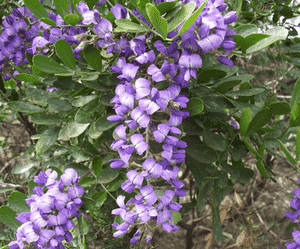
While Texas mountain laurel is a resilient plant, ensuring proper overwintering can safeguard it from severe winter conditions. This attractive shrub, recognized for its fragrant purple blooms and glossy green foliage, originates from warmer regions. Overwintering aids in maintaining its health and vigor, ensuring a vibrant spring display.
Winter Preparation for Texas mountain laurel
Trimming and Tidying
Pruning is a vital step in the preparation process. Remove any dead or diseased branches to lessen the risk of infections during the damp winter months. Additionally, clearing fallen leaves and debris from around the plant's base prevents mold and pests from establishing themselves.
Soil and Fertilization
Texas mountain laurel thrives in well-draining soil. In early autumn, provide your plant with a final feeding using a balanced, slow-release fertilizer. This will supply it with the necessary nutrients to endure the winter.
Mulching
Applying a thick layer of mulch (approximately 5-7 cm or 2-3 inches) around the plant's base helps to insulate the roots. Organic mulches such as straw, leaves, or wood chips are ideal. They not only retain soil moisture but also protect the roots from freezing temperatures.
Providing Insulation and Shelter
Utilizing Frost Cloths
Frost cloths are an effective method to shield Texas mountain laurel from extreme cold. These breathable covers prevent frost from forming on the foliage while allowing adequate air circulation.
Constructing Protective Structures
For enhanced protection, you can build simple wooden frames around the plant and cover them with burlap or frost blankets. This structural barrier helps in blocking harsh winds and insulating against severe temperature drops.
Monitoring Texas mountain laurel During Winter
Regular Checks
Perform regular inspections every few weeks to look for any indications of frost damage, mold, or pests. Early detection can prevent minor issues from escalating into significant problems.
Watering Requirements
Even during the winter months, Texas mountain laurel requires some water. Water the plant thoroughly once a month, ensuring the soil remains moist but not waterlogged. Avoid watering when the ground is frozen.
Pest Management
Winter can sometimes attract pests that seek refuge in your plants. Be vigilant for common winter pests like spider mites and scale insects. Address infestations promptly using neem oil or insecticidal soap.



