How to Overwinter Apple mangrove
1
Apple mangrove is susceptible to frost and needs particular care in colder months.
2
Keeping indoor temperatures within 18-24°C (65-75°F) is vital for Apple mangrove's well-being.
3
Checking for pests and diseases prior to winter aids in guaranteeing a healthy plant by springtime.
What Is Apple mangrove?
What Is Apple mangrove?
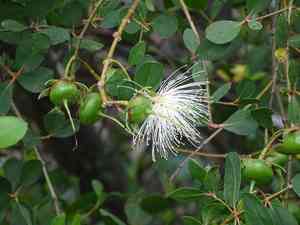
The Apple mangrove (Sonneratia caseolaris) is a distinct flora typically found in warm, humid coastal areas. Recognized by its unique apple-shaped fruit and complex root structure, it is primarily valued for its capacity to flourish in salty conditions where other vegetation would fail. Extensively cultivated for both its environmental significance and decorative features, the Apple mangrove can be a striking enhancement to any botanical assortment.
How to Prepare Apple mangrove for Overwintering
Inspect and Prune the Plant
Begin your readiness by carefully examining your Apple mangrove. Eliminate any lifeless or injured branches and foliage to lessen the chance of pests and illnesses. Trimming aids the plant in preserving energy during the inactive winter period, channeling it to vital sections of the plant. Be sure to sanitize your instruments to stop the spread of contagions.
Check for Pests and Diseases
Prior to moving your plant inside or covering it outdoors, inspect for pests like aphids, mealybugs, and spider mites. Address any infestations promptly using suitable techniques, such as insecticidal soap or neem oil. Look for indications of ailments such as mold or mildew and resolve them before they can proliferate.
Choosing the Right Location
Indoor Locations
If you are overwintering your Apple mangrove inside, select a spot with abundant natural illumination. A window facing south is perfect. Ensure the space is free from drafts and sudden temperature shifts. Maintaining a consistent indoor setting will assist the plant in adapting better to indoor circumstances.
Outdoor Locations
For those unable to bring the plant indoors, an outdoor spot protected from strong winds and frost can be readied. Utilize frost cloths or horticultural fleece to cover the plant. Applying mulch around the base can also help maintain soil warmth. Ensure the plant is positioned in a slightly raised area to prevent waterlogging during unforeseen winter precipitation.



