How to Overwinter Wrinkleleaf goldenrod
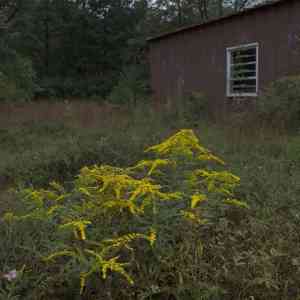
1
Wrinkleleaf goldenrod tolerates cold temperatures well, making it a durable option for gardens in cooler regions.
2
Appropriate mulching aids in insulating Wrinkleleaf goldenrod's roots and maintaining soil hydration through winter.
3
Trimming Wrinkleleaf goldenrod in late autumn prevents illness and encourages robust development in spring.
Is Wrinkleleaf goldenrod Frost Hardy?
Is Wrinkleleaf goldenrod Frost Hardy?
Indeed! Wrinkleleaf goldenrod is renowned for its remarkable ability to withstand frost. It can endure low temperatures with minimal safeguarding, making it an excellent option for gardens in colder climates. The plantâs robust structure and durable leaves can tolerate frost, ensuring its survival through the winter months with proper care.
Preparing Wrinkleleaf goldenrod for Winter
When to Start Preparation?
Initiate preparations for overwintering your Wrinkleleaf goldenrod in mid to late autumn, prior to the first frost. This is the perfect time to examine the plant and its surroundings, ensuring everything is ready for the cold season.
Necessary Tools and Materials
To get your Wrinkleleaf goldenrod ready for winter, you will need: Gardening gloves Pruning shears Mulch (such as straw or bark) Plant covers or burlap Gather these items beforehand to streamline the process and enhance efficiency.
Soil and Mulching Techniques
A crucial step in preparing Wrinkleleaf goldenrod for winter is proper mulching. Mulch Thickness: Apply a 5-10 cm (2-4 inch) layer of mulch around the plant's base to insulate its roots. Type of Mulch: Utilize organic materials like straw, shredded leaves, or bark mulch. These will help retain moisture and provide insulation. Soil Compaction: Ensure the soil is not overly compacted before applying mulch, as this could impede the plant's access to essential water and nutrients.
How to Water and Fertilize Wrinkleleaf goldenrod in Winter?
Adjusting Watering Frequency
During winter, Wrinkleleaf goldenrod requires less frequent watering due to reduced growth and lower evaporation rates. Water the plant every two to three weeks, ensuring the soil remains slightly moist but not waterlogged.
Winter Fertilization Tips
Fertilization needs decrease significantly in winter. However, applying a slow-release, balanced fertilizer in late fall can provide essential nutrients throughout the dormant period. Avoid over-fertilizing, as this can lead to nutrient buildup and potential root damage.
Protecting Wrinkleleaf goldenrod from Extreme Weather
Using Protective Covers
To shield Wrinkleleaf goldenrod from extreme cold and frost, use protective covers such as burlap or frost blankets. These covers create a microclimate that keeps the plant slightly warmer than the outside temperature, offering excellent protection during harsh weather conditions.
Preventing Frost Damage
Frost damage can be minimized by placing a thick mulch around the plant's base and using covers during frost warnings. Additionally, avoid watering late in the day to prevent water from freezing on the foliage overnight.
Pruning Wrinkleleaf goldenrod for Winter
Optimal Pruning Time
Prune your Wrinkleleaf goldenrod in late fall, after the plant has finished blooming but before the first hard frost. This timing helps to remove any dead or diseased parts, reducing the risk of infestations over the winter.
Pruning Techniques
Use sharp pruning shears to cut the plant back to about 15-20 cm (6-8 inches) above the ground. This promotes healthy regrowth in the spring while preventing overcrowding and disease. Make clean cuts to avoid damaging the plant.
Monitoring Wrinkleleaf goldenrod in Winter
Regular Inspections
Regularly check your Wrinkleleaf goldenrod for signs of stress, frost damage, or pest activity. Inspections every two weeks should suffice to catch and address any issues early.
Identifying Winter Pests and Diseases
Although winter pests and diseases are less common, they can still occur. Watch for symptoms like discoloration, unusual spots, or visible pests. Treat infestations with appropriate organic insecticides or fungicides to protect your plant.



