How to Overwinter Jerusalem cherry
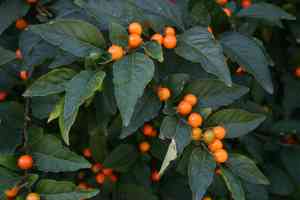
1
Jerusalem cherry is susceptible to frost and needs particular attention to endure the colder season.
2
Maintain indoor temperatures for Jerusalem cherry between 15-24°C (59-75°F).
3
Provide adequate light for Jerusalem cherry by positioning it in a well-lit spot with indirect sunlight indoors.
Why Overwintering is Essential for Jerusalem cherry
Why Overwintering is Essential for Jerusalem cherry
The Jerusalem cherry is a delicate, cold-sensitive plant that flourishes both indoors and outdoors, yet it cannot endure harsh winter conditions. Overwintering is vital for safeguarding this plant from frost damage, ensuring its vitality and longevity. Bringing the plant inside helps maintain a consistent environment, preventing the roots and foliage from freezing and thereby encouraging continuous development. Without proper overwintering measures, the Jerusalem cherry may succumb to severe elements, leading to irreversible harm or demise.
Preparing Jerusalem cherry for the Indoors
Inspect for Pests and Diseases
Prior to moving your Jerusalem cherry indoors, thoroughly examine it for any indications of pests or diseases. Look for common invaders such as aphids, spider mites, and whiteflies. These pests can rapidly spread indoors and infest other plants. If observed, treat the plant with suitable insecticides or natural remedies like neem oil. Additionally, check for signs of fungal ailments, such as mold or mildew, and remove any affected leaves or stems.
Pruning and Trimming
Trimming and shaping your Jerusalem cherry before bringing it inside can help manage its dimensions and form, making it more suitable for indoor settings. Remove any dead or yellowed leaves and cut back overgrown branches. A well-pruned plant will have improved air circulation, lowering the risk of indoor pests and diseases.
Cleaning the Plant and Pot
A clean plant and container are crucial for a healthy indoor environment. Gently wipe the leaves with a damp cloth to remove dust and potential pests. Inspect the pot for any signs of mold or pests and clean it thoroughly. If the pot is too large for indoor space, consider repotting the plant into a slightly smaller vessel.
Ideal Indoor Conditions for Jerusalem cherry
Light Requirements
Jerusalem cherry plants require bright, indirect sunlight to thrive indoors. Position them near a south or west-facing window where they can receive ample light without direct exposure, which can scorch the leaves. If natural light is insufficient, consider utilizing a grow light to supplement their illumination needs.
Temperature and Humidity
Jerusalem cherry prefers indoor temperatures between 15-24°C (59-75°F). Avoid placing the plant near drafts, heating units, or air conditioners, as sudden temperature fluctuations can stress the plant. Maintain moderate humidity levels, around 40-60%. If your home's air is too dry, use a humidifier or place a humidity tray near the plant.
Watering Needs
Water your Jerusalem cherry moderately, allowing the top 2-3 cm (1 inch) of soil to dry out between waterings. Overwatering can lead to root rot, while insufficient watering can cause leaf drop. During winter, the plant's water requirements decrease, so adjust your watering schedule accordingly.
Soil and Fertilizers
Use a well-draining potting mix for your Jerusalem cherry to prevent waterlogging. Fertilize the plant every 4-6 weeks with a balanced liquid fertilizer, but reduce feeding during the winter months when growth slows down.
Common Issues During Overwintering of Jerusalem cherry
Yellow Leaves
Yellow leaves can indicate several problems, such as excessive watering, insufficient watering, or inadequate light. Adjust your care routine based on the plant's requirements and observe for improvement.
Pest Infestations
Indoor environments can sometimes lead to pest outbreaks. Regularly check your Jerusalem cherry for pests and treat them promptly. Isolating it from other plants can help prevent the spread of pests.
Root Rot
Root rot is often caused by overwatering and poorly draining soil. Ensure your pot has drainage holes and avoid letting the plant sit in water. If you suspect root rot, remove the plant from the pot, trim affected roots, and repot in fresh soil.
Preparing Jerusalem cherry for Outdoors in Spring
Gradual Acclimatization
Before moving your Jerusalem cherry back outdoors, gradually accustom it to the changing conditions. Begin by placing it outside for a few hours each day, progressively increasing the duration over one to two weeks. This process helps the plant adapt to differences in light and temperature, reducing shock.
Pruning and Fertilizing
Give your Jerusalem cherry a light trim before moving it outdoors to encourage new growth. Fertilize the plant with a balanced fertilizer to provide essential nutrients for the growing season.
Monitoring for Pests and Diseases
As the plant transitions back outdoors, closely observe it for any signs of pests or diseases. Early detection and treatment can prevent potential issues from spreading and ensure a healthy growing season.



