How to Overwinter Eggplant
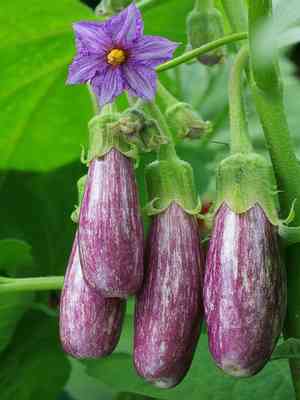
1
Eggplants flourish in warm conditions, rendering them particularly susceptible to frost and low temperatures.
2
Trimming your Eggplants prior to winter can aid in lowering disease susceptibility and fostering more robust spring development.
3
Optimal indoor temperatures for keeping Eggplants over winter should be within 18-24°C (65-75°F).
Why Overwinter Eggplant Plants?
Why Overwinter Eggplant Plants?
Eggplants, scientifically known as Solanum melongena, are popular yet delicate warm-season vegetables. While they thrive in summer heat, they are highly vulnerable to frost and cold. By overwintering your Eggplant plants, you can prolong their lifespan, ensuring they are ready to produce again in spring. This not only saves the effort and expense of planting new Eggplants annually, but established plants can also yield an earlier and more abundant harvest.
How to Prepare Eggplant for Overwintering?
Pruning the Eggplant
Start by trimming your Eggplant. Remove any dead or diseased foliage and cut back approximately one-third of the plant's total growth. This reduces the plant's size, making indoor management easier, and helps prevent disease spread. Ensure your pruning tools are clean to avoid pathogen transmission.
Inspecting for Pests and Diseases
Before moving your Eggplant indoors, it's crucial to check for pests and diseases. Examine under leaves and around the stem base. Look for indications of aphids, spider mites, or whiteflies. If any pests are found, treat the plant immediately with suitable organic insecticides or insecticidal soaps.
Digging Up or Pruning In-Ground Eggplants
For Eggplants grown directly in the ground, you have two choices: either excavate them with a substantial root ball or prune them severely and cover them in place. If you opt to dig them up, be gentle to prevent root damage. Place them in pots with fresh potting mix for their indoor transition.
Transitioning to Containers
If you're relocating your Eggplants into containers, select pots large enough to comfortably accommodate the root system. Fill the pots with well-draining soil. Gradually introduce the plants to their new surroundings, beginning by bringing them indoors for a few hours daily and extending this period over a week.
Providing the Right Indoor Environment
Light Requirements
Eggplants require ample light to flourish, even during winter. Position them in a spot where they receive at least 6-8 hours of direct sunlight daily. If natural light is insufficient, consider using grow lights to supplement their needs.
Temperature Needs
Maintain consistent indoor temperatures between 18-24°C (65-75°F). Avoid placing your Eggplant near drafts or direct heat sources, as sudden temperature changes can stress the plant.
Humidity Control
Eggplants prefer moderate humidity levels. Use a humidity tray or a room humidifier to keep humidity around 40-60%. Regular misting can also be beneficial, but ensure it doesn't create a damp, moldy environment.
Checking Eggplant for Spring Readiness
Signs of New Growth
As spring approaches, you'll begin to observe new growth on your Eggplant, such as fresh leaves and developing flowers. This indicates that your plant has survived winter and is prepared to be moved back outside.
Gradually Exposing to Outdoor Conditions
To prepare your Eggplant for reintroduction to the outdoor environment, start by placing it outside for a few hours each day, progressively increasing its exposure daily. This process, known as hardening off, helps the plant slowly adapt to outdoor conditions, reducing the risk of shock.



