How to Overwinter Rose campion
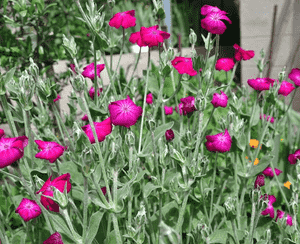
1
Rose campion tolerates cold temperatures well, simplifying its survival in severe winters.
2
Trimming in late fall aids the plant in saving energy over the winter months.
3
Maintaining appropriate indoor environments is crucial for Rose campion's well-being when grown inside.
Why Overwinter Rose campion?
Why Overwinter Rose campion?
Overwintering Rose campion guarantees this lovely perennial flourishes annually despite harsh winter weather. While Rose campion can endure frost, proper care prevents undue stress and harm to the plant. Shielding your plant through winter can result in more vibrant blooms and healthier growth in spring. Essentially, overwintering involves preparing the plant to withstand cold months, either by providing indoor shelter or strengthening it outdoors. This not only extends the plant's lifespan but also ensures consistent growth and flowering in favorable seasons.
Preparing Rose campion for Winter
Identify Frost-Hardy Varieties
Not all Rose campion types possess the same level of frost resistance. Choose frost-tolerant varieties to boost your chances of successful overwintering. Resilient varieties are more likely to survive freezing temperatures and severe conditions. Look for plants labeled 'hardy' or consult local nurseries for region-specific advice. Knowing your plant's hardiness allows you to customize your care strategy appropriately.
Clean and Prune the Plant
Start preparing your Rose campion for winter by cleaning and trimming it in late autumn. Remove dead, diseased, or damaged sections of the plant to prevent them from draining energy. Pruning back growth also lessens the plant's exposure to pests and diseases during its dormant period. Clear the plant's base of debris, which can harbor pests or fungi. Keeping the plant clean and well-trimmed ensures it enters the winter months in optimal condition.
Indoor Overwintering Strategies
Choosing the Right Containers
For indoor overwintering, selecting appropriate containers is vital. Pick pots with good drainage to prevent waterlogging, which can cause root rot. Ensure the containers are large enough to accommodate the plant's root system. For bigger plants, consider using wheeled platforms to facilitate movement. Suitable containers help maintain ideal soil conditions and simplify the entire process.
Ideal Indoor Conditions
Creating the correct indoor environment is crucial for Rose campion's health during winter. Position the plants where they can receive ample sunlight, ideally a south-facing window. Maintaining a temperature between 10-15°C (50-59°F) is generally optimal. Keep humidity levels moderate; too high encourages mold, too low can dehydrate the plant. Regularly check soil moisture and water only when the top inch (2.5 cm) is dry.
Outdoor Overwintering Strategies
Mulching for Protection
Mulching is an effective method to safeguard Rose campion outdoors. Apply a thick layer (about 5-8 cm or 2-3 inches) of organic mulch, such as straw or wood chips, around the plant's base. This insulates the soil, maintaining a more consistent temperature and shielding the roots from extreme cold. Mulching also conserves soil moisture and reduces weed growth.
Winter Watering Needs
Even during winter, Rose campion requires occasional irrigation, especially in areas with minimal snowfall. Water the plant during dry periods, but be careful not to over-water, as this can lead to root rot. Ensure the soil remains slightly moist but not saturated. Winter watering helps keep roots hydrated without causing waterlogged conditions.
Common Issues and Solutions
Managing Pests
Indoor overwintering can sometimes lead to pest problems due to warmer conditions. Watch out for common pests like aphids and spider mites. Use insecticidal soap or neem oil to control infestations. Regularly inspect the plant and remove any pests you find to prevent them from spreading and harming the plant.
Preventing Mold and Rot
Mold and rot can develop if the plant is kept too wet or if humidity levels are excessively high. Ensure good air circulation around the plant and reduce watering if the soil feels overly moist. Avoid waterlogging by using pots with adequate drainage. If you notice mold, remove affected parts and improve ventilation.
When and How to Reintroduce Rose campion Outdoors
Timing the Transition
Reintroduce Rose campion to the outdoors once the risk of frost has passed, typically in late spring. Gradual reintroduction is essential to prevent shock. Begin by placing the plant outside for a few hours daily, progressively increasing its exposure to the outdoor environment.
Gradual Acclimatization
Acclimatizing the plant to outdoor conditions is crucial. Move it to a sheltered spot first, then slowly expose it to more direct sunlight and wind over a period of one to two weeks. This helps Rose campion adjust and reduces the risk of damage from sudden environmental changes.



