How to Overwinter Palmgrass
1
Palmgrass requires temperatures exceeding 10°C (50°F) for optimal winter growth.
2
Applying mulch helps shield Palmgrass roots from freezing conditions.
3
Examine Palmgrass frequently for pests and diseases prior to moving it inside.
What is Overwintering for Palmgrass?
What is Overwintering for Palmgrass?
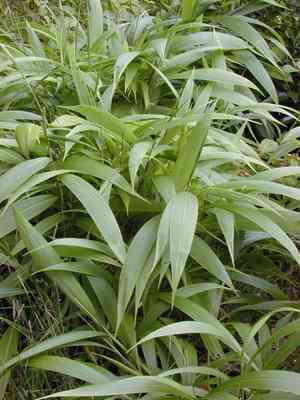
Overwintering refers to the process of safeguarding your Palmgrass (Setaria palmifolia) through the harsh winter months. As Palmgrass is sensitive to frost, it's vital to implement protective measures to ensure its survival until warmer weather returns. This involves relocating the plant indoors or providing additional care if it remains outside, and maintaining optimal conditions for its health. By following the correct procedures, you can help your Palmgrass endure the colder period and flourish again in spring.
Preparing Palmgrass for Winter
Pruning and Cleaning
Begin by trimming any dead or damaged leaves from your Palmgrass. This not only enhances the plant's appearance but also helps prevent diseases. Use sharp, clean scissors or pruning shears for precise cuts. Removing debris such as fallen leaves and old mulch from around the plant's base will improve air circulation and reduce the risk of mold and pests.
Inspecting for Pests and Diseases
Before bringing your Palmgrass indoors or moving it to a sheltered spot, thoroughly check it for pests and diseases. Look for indications of aphids, spider mites, or fungal infections. Treat infestations with suitable insecticidal soaps or neem oil. Addressing these issues early is crucial to prevent them from spreading to other indoor plants.
Watering and Fertilization
Reduce irrigation in late autumn, as Palmgrass requires less moisture during the colder months. Ensure the soil stays slightly damp but not waterlogged, as excessive watering can lead to root rot. Avoid fertilizing during winter, as the plant's growth slows, and it won't need extra nutrients until spring.
Climate Control for Indoor Overwintering
Ideal Temperature Range
Palmgrass prefers temperatures above 10°C (50°F). Ideally, keep your plant in a room that maintains 15-24°C (59-75°F). Avoid placing it near drafts, heaters, or cold windowsills, as temperature fluctuations can stress the plant.
Humidity Requirements
Palmgrass thrives in humidity levels of approximately 50-60%. Winter air can be dry, so consider using a humidifier or placing a water tray near the plant to maintain adequate humidity. Occasionally misting the leaves can also provide some moisture, but avoid making the soil too wet.
Light Conditions
Palmgrass needs bright, indirect light during winter. Position it near a sunny window where it can receive ample light without direct sun exposure, which can scorch the leaves. If natural light is insufficient, supplement with a grow light for about 12-16 hours daily.
Outdoor Winter Care for Palmgrass
Mulching Techniques
Applying a 5-8 cm (2-3 inch) layer of mulch around the base of your Palmgrass can shield the roots from freezing temperatures. Organic mulches like straw, wood chips, or leaves are effective. Ensure the mulch does not directly touch the plant stems to prevent rot.
Using Frost Cloths
During severe cold spells, frost cloths can offer an additional layer of protection. Drape the cloths over your Palmgrass during nighttime or when frost warnings are issued. Secure the cloth edges to prevent wind from dislodging them, but ensure air circulation is maintained.
Common Mistakes to Avoid
Overwatering
One of the most frequent errors is overwatering Palmgrass during winter. Too much moisture can cause root rot, so water sparingly and ensure proper drainage. Always allow the soil to dry slightly between watering sessions.
Neglecting Light Needs
Palmgrass requires sufficient light even in winter. Do not place the plant in dimly lit areas. Insufficient light can lead to leggy growth and weaken the plant. Using supplemental grow lights can help maintain healthy growth.
Improper Pruning
Avoid extensive pruning in late autumn as the plant needs enough foliage for photosynthesis during winter. Only prune dead or diseased parts to prevent excessive stress on the plant.



