How to Overwinter Giant sequoia
1
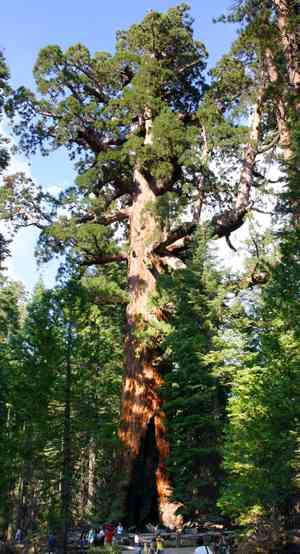
Giant sequoias are resilient and tolerate cold conditions, though juvenile trees require additional safeguarding.
2
Applying mulch around the trunk base assists in stabilizing soil warmth and preserving hydration.
3
Trimming after winter promotes robust development and guards against illness in Giant sequoias.
Understanding the Frost Hardiness of Giant sequoia
Understanding the Frost Hardiness of Giant sequoia
The Giant sequoia is renowned for its resilience and capacity to endure extreme weather, including freezing temperatures. Originating from the Sierra Nevada mountains, these magnificent trees have adapted to survive in cold environments. However, younger trees and recently transplanted ones may require additional care to get through their initial winters. Knowing the limits of your Giant sequoiaâs hardiness is crucial. While mature trees are considered hardy, tolerating up to -26°C (-15°F), younger ones can be more susceptible to frost damage.
Preparing Giant sequoia for Winter
Assessing Plant Health
Before the first frost arrives, it's vital to evaluate the overall health of your Giant sequoia. Check for indications of disease, nutrient deficiencies, and physical harm. Healthy trees are better equipped to withstand harsh winter conditions. If you discover any issues, address them quickly. For instance, if there are discolored needles or signs of pests, consider treatments that won't harm the tree as it prepares for dormancy.
Mulching and Ground Protection
Mulching is a critical step in safeguarding the roots of your Giant sequoia during the colder months. Apply a thick layer of mulch, approximately 7.5 to 10 cm (3 to 4 inches) deep, around the tree's base. This helps regulate soil temperature and retain moisture, protecting the root system from frost. Organic materials like wood chips, straw, or shredded leaves make excellent mulch. Ensure the mulch is spread evenly and does not directly touch the trunk to prevent rot.
How to Protect Young Giant sequoias During Winter?
Frost Covers and Sheltering
Young Giant sequoias are particularly susceptible to frost damage. To protect them, use frost covers or garden fabrics to wrap the tree, especially during anticipated cold spells. Frame structures or simple wooden stakes can support the cover, ensuring the fabric does not directly contact the foliage. For added protection, consider surrounding the young tree with a temporary shelter made of burlap or similar materials.
Watering Before Frost
Keeping your Giant sequoia adequately watered before the ground freezes is essential. Watering provides the tree with the moisture it needs to stay healthy throughout winter. A deeply watered tree can better withstand cold temperatures than a dry one. Water the tree thoroughly, ensuring the soil around the roots receives ample moisture, but avoid waterlogging, as excessive water can lead to root rot.
Post-Winter Care for Giant sequoia
Inspecting for Winter Damage
As the thaw begins, examine your Giant sequoia for any signs of winter damage. Look for broken branches, frost-heaved soil, and discolored needles. Address any visible damage promptly. Remove broken branches to prevent further injury and allow the tree to recover.
Pruning and Nutrient Boost
Late winter or early spring is the ideal time to prune your Giant sequoia. Pruning helps remove dead or damaged branches, promoting healthy new growth. Follow up with a balanced fertilizer to give your tree a nutrient boost as it emerges from dormancy. This practice not only enhances the tree's appearance but also helps prevent diseases by improving air circulation within the canopy.
Common Issues When Overwintering Giant sequoia
Recognizing Frost Damage
Frost damage on Giant sequoias can manifest as browned or blackened needles, especially on new growth. To manage frost damage, increase mulching and ensure proper watering before freezing weather. If damage is extensive, wait until spring to observe new growth before making significant pruning decisions.
Pest and Disease Management
Winter can sometimes worsen pest and disease problems. Inspect your tree regularly for signs of infestation, such as unusual markings or discolored needles. If you notice a potential problem, consult with a local arborist or extension service to identify and treat the issue appropriately. Remaining vigilant and addressing problems early is key to maintaining a healthy Giant sequoia.



