How to Overwinter Emperor's candlesticks
1
Emperor's candlesticks flourish optimally in temperatures ranging from 18-24°C (65-75°F).
2
These plants favor ample, diffused sunlight throughout the colder season.
3
Confirm the soil stays somewhat damp, yet never saturated, during its dormant phase.
What Are Emperor's candlesticks?
What Are Emperor's candlesticks?
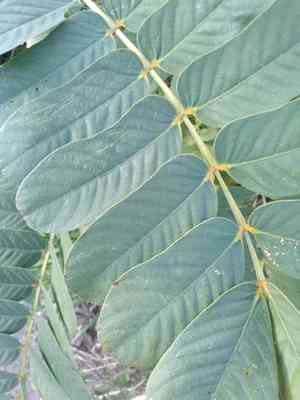
Emperor's candlesticks, known scientifically as Senna alata, are striking tropical flora recognized for their tall, candle-like flower spikes that produce brilliant yellow blooms. These plants can reach heights up to 5 meters (16 feet) outdoors under optimal conditions. They are popularly cultivated in gardens for their ornamental appeal and can serve as a dramatic focal point in any landscape.
Preparations Before Overwintering
Inspecting the Plant
Prior to bringing your Emperor's candlesticks indoors, itâs crucial to thoroughly examine the plant. Check for any indications of pests or diseases, as these can rapidly spread indoors. Look for discolored foliage, unusual spots, or any insects on the plant.
Pruning and Cleaning
Trimming your Emperor's candlesticks helps lessen the burden on the plant and makes it simpler to manage indoors. Remove any dead or damaged leaves and branches. Cleaning the plant by wiping the leaves with a damp cloth can also eliminate dust and potential pests.
Repotting if Necessary
If your Emperor's candlesticks has outgrown its container, consider repotting it before bringing it inside. Select a pot that is slightly larger than the current one and ensure it has proper drainage. Use fresh potting mix to supply the plant with essential nutrients.
Ideal Conditions for Overwintering Emperor's candlesticks
Temperature Requirements
Maintaining the correct temperature is vital for overwintering Emperor's candlesticks. These plants prefer temperatures between 18-24°C (65-75°F). Avoid placing them near drafts, heating units, or cold windowsills where temperature fluctuations can stress the plant.
Light and Humidity
Emperor's candlesticks require bright, indirect sunlight during the winter. Position them near a south-facing window where they can receive ample illumination. Humidity is also important; aim to keep the humidity levels around 50%. Use a humidifier if needed to maintain this level.
Steps to Overwinter Emperor's candlesticks Indoors
Choosing the Right Location
Select an indoor spot that fulfills the light and temperature needs of your Emperor's candlesticks. A bright room with stable temperatures and no exposure to drafts is ideal.
Monitoring Watering Needs
During the winter, Emperor's candlesticks will need less water than during the active growth period. Ensure the soil remains slightly moist but never waterlogged. Excessive watering can lead to root rot, which is harmful to the plant.
Maintaining Pests and Diseases Control
Regularly inspect your Emperor's candlesticks for any signs of pests such as spider mites or aphids. Use an insecticidal soap or neem oil to treat any infestations. Maintaining good airflow around the plant can also help prevent fungal diseases.
How to Transition Emperor's candlesticks Back Outdoors
Gradual Reintroduction to Outdoors
When warmer weather returns, gradually reintroduce your Emperor's candlesticks to the outdoors. Start by placing the plant outside for a few hours each day, slowly increasing the duration over one to two weeks. This helps the plant adapt to the outdoor environment.
Ensuring Optimal Outdoor Conditions
Before permanently relocating your Emperor's candlesticks outdoors, ensure that the risk of frost has passed and that nighttime temperatures are consistently above 13°C (55°F). Find a location that provides partial shade to avoid sudden exposure to intense sunlight.



