How to Overwinter Peacock moss
1
Peacock moss flourishes in environments with elevated moisture levels.
2
Keep indoor temperatures for Peacock moss between 13°C-16°C (55°F-60°F) throughout the winter season.
3
Periodically inspect for insects to avoid outbreaks while overwintering indoors.
What is Peacock moss?
What is Peacock moss?
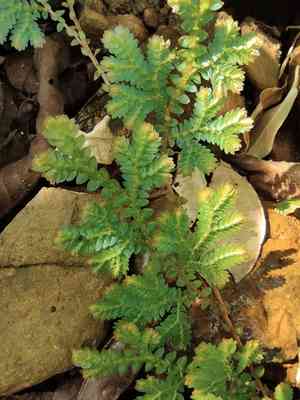
Peacock moss, a captivating plant known for its metallic blue to green foliage, is a unique addition to any garden or indoor plant collection. This species, with its delicate fern-like leaves, creates an almost mesmerizing texture that brightens up dark, shaded spots. Predominantly grown indoors, particularly in terrariums, Peacock moss (Selaginella uncinata) also makes for a stunning ground cover in outdoor gardens in warmer climates.
How to Prepare Peacock moss for Winter?
Cleaning and Pruning
Before bringing your Peacock moss indoors, itâs crucial to clean and prune the plant. Remove any dead or discolored leaves to promote healthier growth. Pruning also prevents any diseased parts from infecting the rest of the plant during its indoor stay.
Inspecting for Pests
Carefully inspect your Peacock moss for pests such as aphids, mealybugs, or spider mites. If you find any, treat the plant using a gentle insecticide or soapy water. Addressing pest issues before bringing the plant indoors helps prevent infestations that could spread to other houseplants.
Amending the Soil
Consider refreshing the soil if your Peacock moss is potted. Adding a layer of fresh, well-draining soil can provide essential nutrients and improve root health. A mix of peat moss and perlite works well for Peacock moss due to its moisture-retentive yet airy nature.
What Indoor Conditions Are Best for Peacock moss?
Light Requirements
Peacock moss prefers bright, indirect light. Place it near a window with filtered sunlight or use grow lights to simulate natural conditions. Avoid direct sunlight, which can scorch its leaves.
Ideal Temperature Range
Maintain indoor temperatures between 13°C-16°C (55°F-60°F). Peacock moss doesnât tolerate drastic temperature changes well, so keep it away from drafts, heaters, and cold windows.
Humidity Levels
High humidity is essential for Peacock moss. Aim for a humidity level of around 70-80%. Using a humidifier or placing a water tray near the plant can help maintain these levels. You can also mist the plant regularly, but ensure it doesnât stay too wet to avoid fungal issues.
How to Care for Peacock moss During Winter?
Watering Needs
Peacock moss needs consistently moist soil, but be cautious of overwatering which can lead to root rot. Water the plant when the top inch (2.5 cm) of soil feels dry. Using a well-draining pot will help prevent waterlogging.
Fertilizing Schedule
During the winter months, reduce fertilization as the plant's growth slows down. Use a balanced, diluted liquid fertilizer once a month to provide necessary nutrients without overfeeding.
Monitoring for Diseases
Regularly check your Peacock moss for signs of fungal diseases or rot. Yellowing leaves or a musty smell are indicators of potential problems. If you notice any issues, improve air circulation around the plant and adjust watering practices to allow the soil to dry out slightly.



