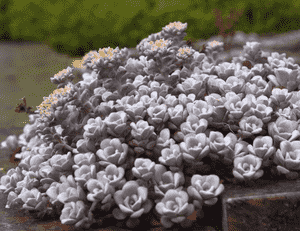
How to Overwinter Broadleaf stonecrop
1
Broadleaf stonecrop is resilient to cold and can withstand temperatures down to -12°C (10°F).
2
Provide adequate drainage for Broadleaf stonecrop to avoid root decay in colder months.
3
Apply organic mulch to protect the soil and retain moisture for Broadleaf stonecrop.
The Importance of Overwintering Broadleaf stonecrop
Why Overwintering Broadleaf stonecrop is Important
Overwintering Broadleaf stonecrop is vital for this resilient succulent to flourish annually. Although it tolerates frost, effective winter care safeguards its root system and promotes vigorous growth in the subsequent season. By adequately preparing Broadleaf stonecrop for colder months, you can minimize damage from freezing temperatures and winter weather, ensuring a lush and healthy plant by spring.
Assessing Broadleaf stonecrop's Frost Tolerance
Understanding Hardy Plants
Broadleaf stonecrop is classified as a hardy plant, capable of withstanding low temperatures and harsh winter conditions. Hardy plants like this one have evolved to survive frost by slowing their growth and entering a dormant state during winter. Recognizing Broadleaf stonecropâs hardiness will aid in better preparation and planning for the overwintering process.
Impact of Hardiness Zones on Broadleaf stonecrop
USDA Hardiness Zones significantly influence how well Broadleaf stonecrop will endure winter in your area. This plant thrives in Zones 5-9, meaning it can tolerate temperatures as low as -23°C (-10°F). Knowing your specific zone helps customize overwintering practices, ensuring Broadleaf stonecrop remains healthy and vibrant throughout the colder months.
Preparing Broadleaf stonecrop for Winter
Pruning and Trimming Advice
Pruning Broadleaf stonecrop before winter is crucial for its health and vigor. Remove any dead or damaged foliage to prevent disease and pest infestations. Additionally, a light trim helps the plant conserve energy by reducing the amount of foliage it needs to maintain during dormancy. Always use sterilized tools to avoid transmitting pathogens to the plant.
Soil and Mulching Recommendations
Proper soil preparation and mulching are essential for protecting Broadleaf stonecrop during winter. Ensure the soil drains well to prevent waterlogging, which can lead to root rot. Applying a layer of organic mulch, such as straw or compost, around the plant's base helps insulate roots, retain moisture, and guard against temperature fluctuations. Aim for a mulch layer approximately 5-7 centimeters (2-3 inches) thick.
Optimal Conditions for Overwintering Broadleaf stonecrop
Selecting the Right Location
The chosen location for overwintering Broadleaf stonecrop can greatly impact its survival. Ideally, place the plant in a sheltered spot that receives ample sunlight but is protected from strong winds. If Broadleaf stonecrop is planted in the ground, consider covering it with a cold frame or insulating cover. For potted plants, moving them to an unheated garage or greenhouse can provide necessary protection.
Temperature and Humidity Requirements
Broadleaf stonecrop prefers cool, dry conditions during its dormant period. Ensure temperatures do not fall below -12°C (10°F) to prevent potential frost damage. Additionally, maintaining lower humidity levels helps prevent fungal diseases, which can be common in winter. Avoid placing the plant in overly damp areas, as persistent moisture can lead to root decay.
Common Overwintering Issues and Solutions
Winter Pest Control
While pests are less active in winter, they can still threaten Broadleaf stonecrop. Regularly inspect the plant for signs of pests like aphids or mealybugs. If detected, treat the plant with natural insecticidal soap or neem oil. Ensure the plantâs environment remains clean and free of debris, which can harbor pests.
Preventing Overwatering Problems
Overwatering is a frequent issue during winter, especially for succulents like Broadleaf stonecrop. Significantly reduce watering frequency, as the plant's water needs decrease during dormancy. Check soil moisture before watering, ensuring it is dry to the touch. When watering, do so sparingly, providing just enough to keep the plant hydrated.



